On Integration
Edition III:
Most people live in modes: Work Mode, Family Mode, Personal Time, Errands, Rest, and Hobbies
We move between them all day, like rooms in a building where the doors must close behind us before the next one can open. Each mode asks for a different version of us. By evening, the fatigue isn't only from effort, it's from switching identities. Integration begins when those doors stop sealing; not perfectly or all at once, but gradually.
Life stops requiring a full reset between its parts.
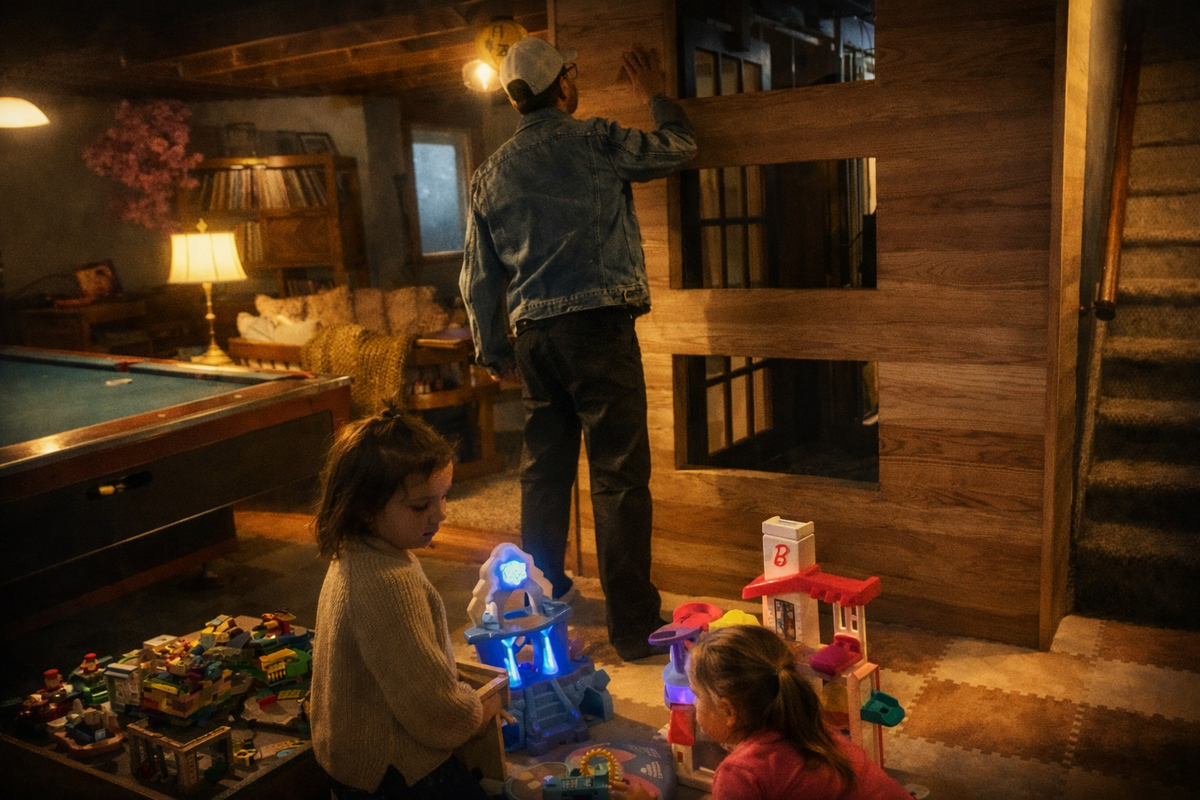
A few pushups and squats happen between conference calls. A project advances while dinner cooks. A conversation pauses for a moment of maintenance, like a toy fixed or a pet fed, and then continues without friction. Work spills into the evening, but curiosity spills into the workday too. You read while someone watches their show. You sit with family without abandoning the things you care about, and you care about things without abandoning them.
Modern life doesn't remove meaning. It assigns a schedule. Things we care about get placed into protected zones:
- adventure = vacations
- craft = weekends
- reflection = retreats
- depth = rare conversations
- creativity = side projects
- community = planned gatherings
Everything meaningful is isolated so that the main life can function efficiently.
Most people don't actually lack presence, they lack permission for meaningful things to exist beyond responsibility. They oscillate: either functional or alive. Integration breaks the gap between those two modes. You're present on the trip but you're productive on Monday. What you felt there doesn't follow you here. Integration begins the moment the categories stop negotiating with each other.
The rebellion isn't louder living, it's integrated living.
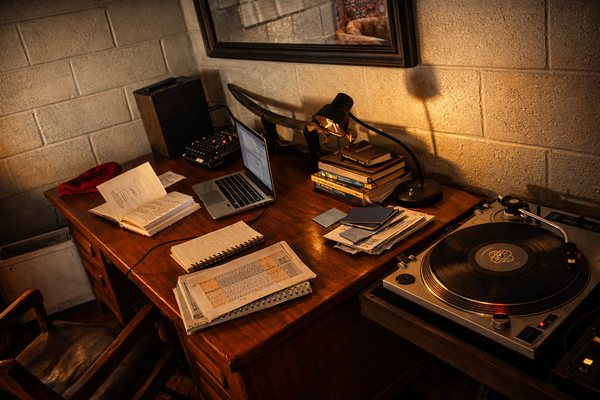
I started wondering why I kept returning to a variety of interests that had nothing to do with each other: vinyl records, tuned machines, cold blooded pets, snowy slopes, citizen science and slow processes. On paper they don't belong together, but the feeling inside of them was identical. It was what happens when you stop forcing progress and start participating in it. The subject changes but the interaction doesn't.
What I was actually noticing wasn't variety, but continuity. The same way of engaging kept reappearing and when it did, the day felt intact. When attention resets too often, life stops accumulating. Experiences happen, but they don't stack. Hours become containers instead of a flow, and meaning ends up assigned to certain activities while the rest feel like transitions between them. Not because the ordinary hours matter less, but because the way you show up to them keeps getting dropped and picked up again.
So the interest of integration wasn't about organizing pursuits. It was about staying in the posture of attention long enough for unrelated parts of life to feel related. The activities remain different. The way of engaging them no longer is.
What I was recognizing wasn't that the interests belonged together, but that life was asking to stop being divided between them. The continuity I kept encountering inside each pursuit wasn't in the activity itself. It was a way of moving through the day. Once that became visible, the question changed from why these things? to why are they separated at all? The answer wasn't organization but integration. It's not about controlling life better, but allowing it to remain connected as life unfolds; even when everything around you prefers it compartmentalized.
Nothing is optimized, yet more gets lived.
What changes isn't discipline, but permeability. The day stops being divided into deserving and undeserving activities. Instead, attention flows toward what matters as conditions allow. Small windows become usable; unclaimed time starts carrying weight.
You don't need a retreat to think. You don't' need a block of hours to begin. You don't need permission from the schedule to continue. Life becomes one environment instead of several territories.
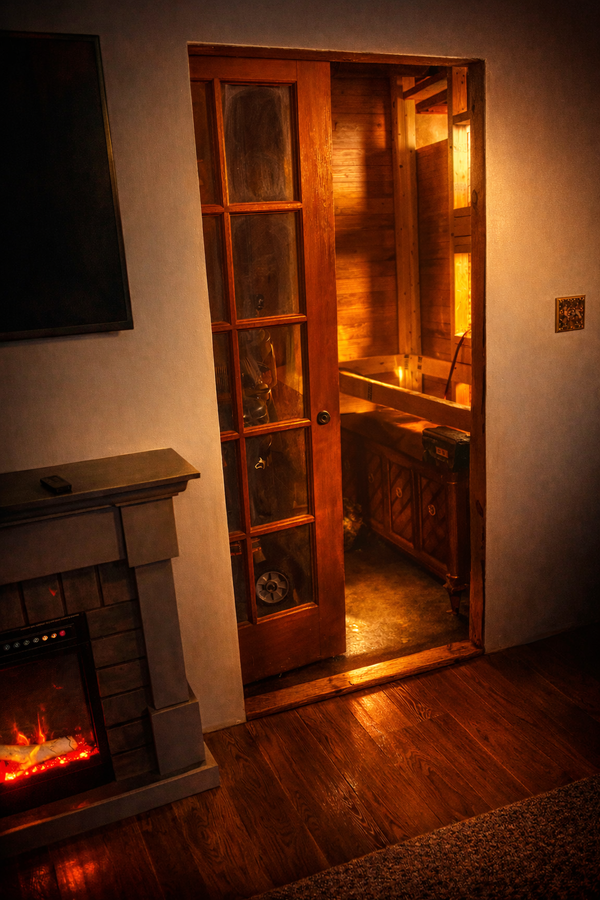
This doesn't happen through planning alone. It emerges as surroundings evolve; tools left within reach, spaces shaped for return, projects allowed to remain mid-process instead of packed away. The environment stops asking you to start over every time you come back. Progress becomes ambient.
Relationships change too. Shared interests form not because they were assigned importance, but because they were given room to grow. A hobby becomes a ritual. A ritual becomes a meeting place. An activity becomes a shared language.
You don't escape daily life to live meaningfully. You rearrange daily life until meaning has somewhere to stay.
Integration isn't efficiency. Some time is still wasted. Some evenings disappear into nothing. Some days fragment beyond repair. Nevertheless, the overall direction shifts; a few clean breaks, fewer psychological resets, fewer moments where living must pause so life can be managed.
The point isn't balance. Balance still implies opposing forces held apart. Integration removes the need for balance by removing separation.
Work, care, curiosity, maintenance, rest and craft begin to coexist instead of complete; not equally or neatly, but honestly. They share space according to the shape of the day rather than the structure of the plan. What emerges is not control over time, but residency inside it.
You are not waiting for the right part of life to begin. You are already inside of it.
A note
These three entries belong together:
- On Presence concerns attention.
- On Space concerns where attention can live.
- On Integration concerns how it survives the rest of life.
Everything that follows builds outward from here as orientation.