On Presence
Edition I:
Some forms of absence look exactly like dedication.
There was a period where I thought I had presence figured out. I was focused, disciplined, absorbed in work that mattered to me. In my mind, presence meant being fully inside what I was doing; undistracted, committed, and unavailable in a good way. I believed that presence was something you achieved internally; attention you cultivated alone. What I didn’t notice at first was how narrow that definition was. I was present by my own standards, but it registered as distance to the people around me.
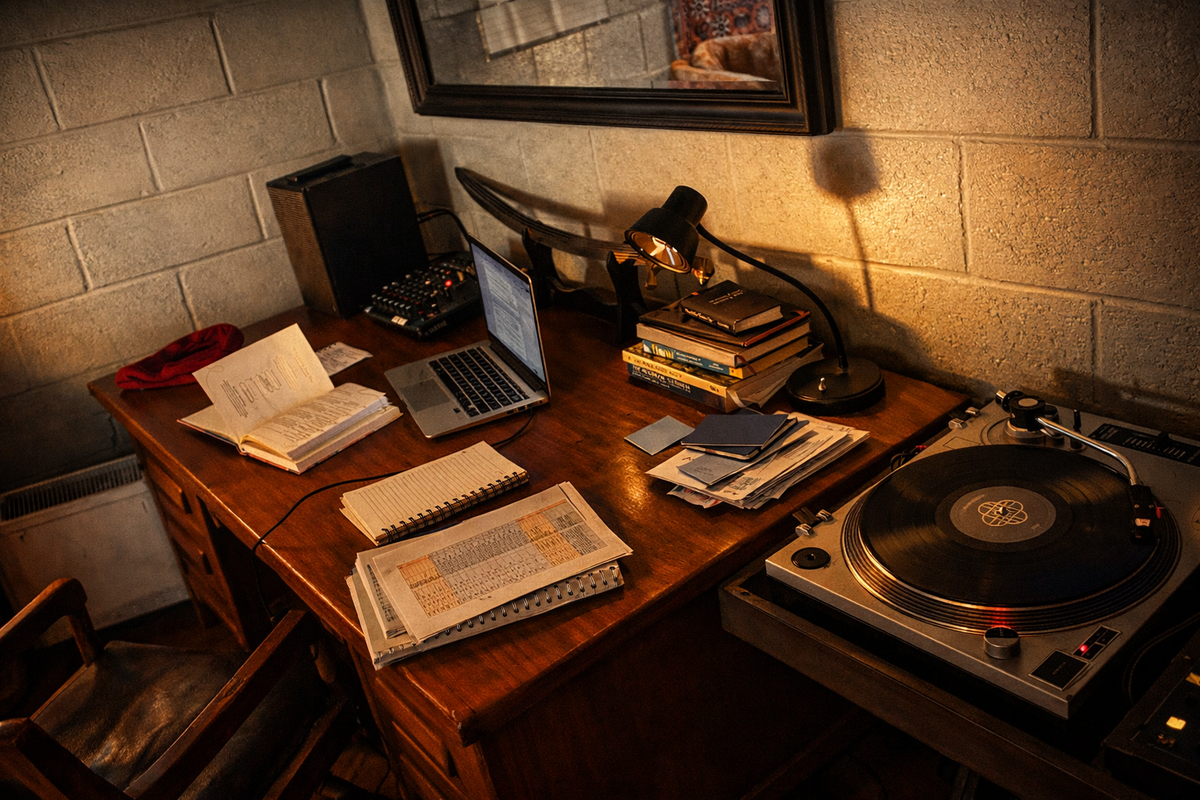
Some activities reveal attention more honestly than others. Not because they matter more, but because they demand participation. Working with your hands, arranging a space, repeating a motion until it settles. These don't let you perform engagement from a distance. You're either there or you're not. Craft taught me presence because it only worked when it was actually there.
Presence isn’t just attention to what I’m doing, but accountability for what my attention withdraws from.
Before any of this, presence wasn’t even a concept I could hold. Not because I hadn’t heard the word, but because there was no space for it. Attention was spent elsewhere, consumed by something that narrowed the field of experience rather than opening it. My focus and attention used to scatter easily, pulled by noise, urgency, artificial relief and whatever came next. When that fell away, it didn’t leave clarity behind. It left a gap; an unfamiliar quiet. A capacity I didn’t yet know how to inhabit, like standing in an empty room and realizing you’re supposed to decide what goes in it.
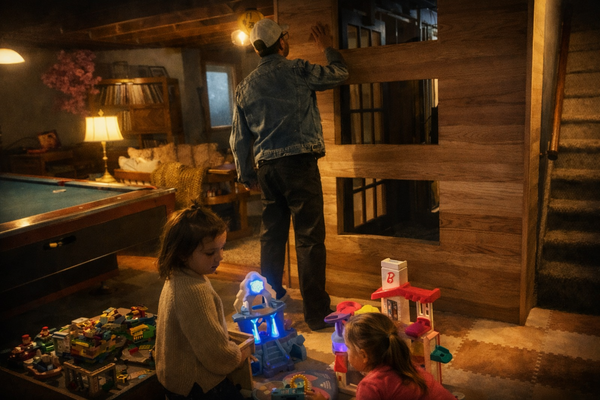
I didn’t set out to become “more present”. I just started doing things that wouldn’t let me stay half-engaged. Work that needed my hands; tasks that took long enough to make distraction impractical. Building small worlds where the boundaries were clear and the rules were honest. In those spaces, attention stopped scattering. It had somewhere to land.
Presence, as I experienced it, slowed down time; not poetically, but literally. Minutes stopped slipping through the cracks. Tasks expanded to their natural size instead of being rushed into completion. I could stay with something long enough for it to feel finished, even if it wasn’t done.
Over time, that same attention began to show up elsewhere. In conversations that didn’t need to be rushed. In moments shared without performance. In being fully with something small, like a meal, a task, or a person, without needing it to justify itself. Presence wasn’t something I achieved. It was something that emerged when the conditions were right. The solitude began to feel powerful. It’s hard to walk away from something that makes time feel generous again.
The problem was that presence didn’t come with an off switch. When attention deepened, work didn’t politely stay in its lane. It followed me into the evening, into conversations, and into moments that probably deserved more of me than whatever I was still turning over in my head. What felt like depth on the inside sometimes looked like absence from the outside. I didn’t vanish dramatically. I just wasn’t fully there.
This was where presence stopped being a purely personal virtue. Slowing time isn’t without cost if it comes at someone else's expense. Immersion, if left unchecked, expands. It fills whatever space you give it and it keeps going if nothing pushes back. The friction didn’t come from the work itself. It came from the people and responsibilities that still existed beyond it.
Zoomed out, this confusion makes sense. We live in a culture that praises focus without asking where it’s applied or who absorbs the cost. Busyness passes for commitment and unavailability reads as importance. No one asks where the attention went, only what it produced. Depth is celebrated; boundaries are assumed.
Depth requires withdrawal. Life requires participation. Most of us are taught to choose.
Presence, as it turns out, is easy to lose but rarely disappears all at once. It erodes through accumulation: too many obligations and too many literal and figurative open tabs. Everything feels urgent but nothing feels chosen. The first signs enter as irritation, restlessness, and the sense that you’re moving all day without ever quite arriving. Coming back to presence isn’t about effort. It’s about noticing, or catching the literal drift before it hardens into distance. Presence doesn’t respond well to being chased, but it returns quickly if you give it somewhere to land.
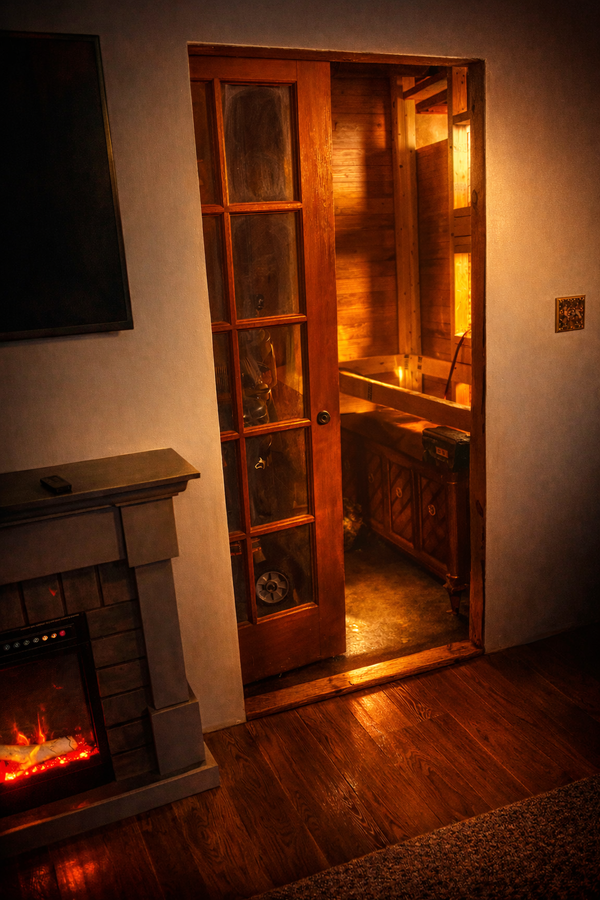
In practice, that means space; both a physical and mental. A place with edges like a room, a bench, a table, or a block of time that isn’t constantly renegotiated. A place where the rules are simple and expectations are honest. These spaces don’t guarantee presence, but they make it possible. They offer a way back when attention has been spent elsewhere.
Often, that space shows up as solitude. Solitude matters. It's where attention steadies and things come back into focus. But it too has edges. Without these edges, time alone can slide from clarity into quiet withdrawal. The point isn't isolation, it's calibration. Solitude is useful when it returns you to life more awake than when you entered it, not when it becomes a place to disappear into.
When presence goes unaccounted for, it quietly becomes a socially acceptable form of absence.
This isn’t about doing less or more. It’s about staying reachable while doing things that matter. It’s about going deep without disappearing. It’s about learning how to slow time down without taking it away from everything else that gives it meaning.
Presence held this way, isn’t a retreat. It’s how you stay in the everyday.
A note
These three entries belong together:
- On Presence concerns attention.
- On Space concerns where attention can live.
- On Integration concerns how it survives the rest of life.
Everything that follows builds outward from here as orientation.