The Quiet Power of Anime Worlds
Edition IV:
What Miyazaki, Cowboy Bebop, and anime worlds taught me about presence and place.
I didn’t arrive at anime through film school or deep fandom. Like a lot of kids growing up in the late 90s and early 2000s, it started with whatever happened to be on. After school meant turning on Cartoon Network and catching what was airing on Toonami. Weekend movie nights meant wandering the aisles of Family Video, in search of a case that looked cool enough to rent.
That’s where I first ran into shows like Dragon Ball Z and Yu Yu Hakusho. At the time it was simple: fights, energy blasts, transformations, and villains that took entire seasons to defeat. This is the kind of storytelling that feels enormous when you’re a kid. I’m sure there were others too; half-remembered titles that cycled through depending on what the store happened to have in stock that week.
Somewhere in the background was Cowboy Bebop. But it didn’t land then.
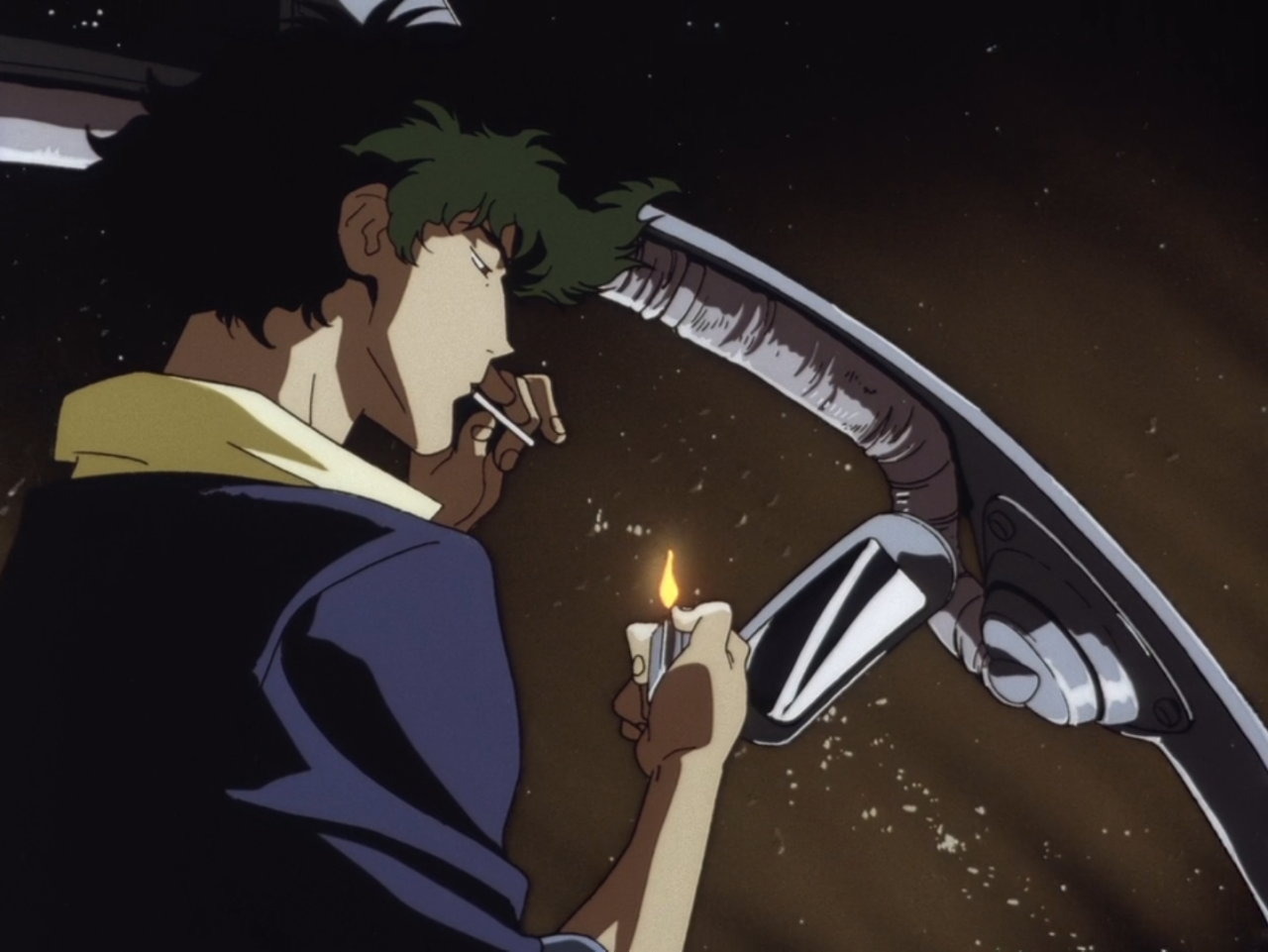
Years later, anime found its way back into my life almost accidentally. A longtime friend (more like family at this point) who works in film was visiting from California. One evening we ended up playing a few rounds of Dragon Ball Fighter Z on the Switch and the conversation drifted toward old shows. He casually suggested I rewatch Cowboy Bebop.
So I did, and this time it hit.
Not because of the action or even the plot, but because of the mood, the noir tone, the wandering sense of adventure, the slightly seedy underbelly of space, and above all else, the music. The jazz drifting through star systems and lonely saxophones over asteroid fields had me captivated. The episodes felt more like short films than television. There was something about it that felt less like a series and more like a place you could spend time inside.
From there the door opened again. I moved through a handful of classics like Ghost in the Shell, Trigun, One Piece (here and there), and a few others. Each one had something interesting going on; different philosophies, tones, and worlds.
But nothing resonated quite like the films of Hayao Miyazaki.
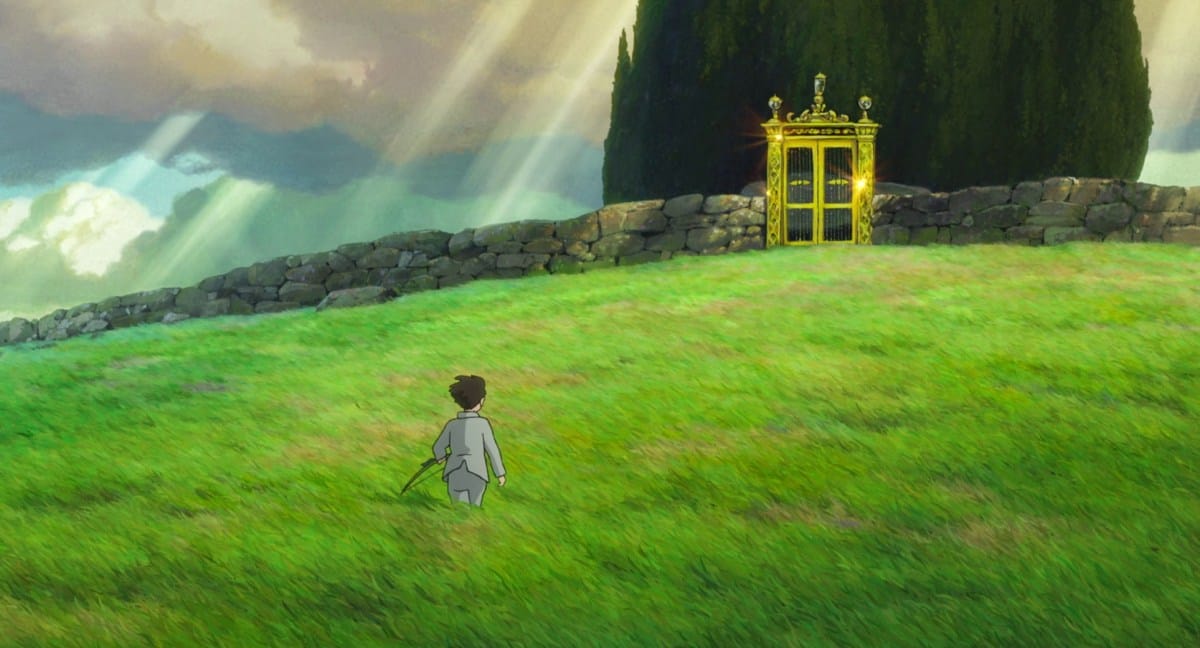
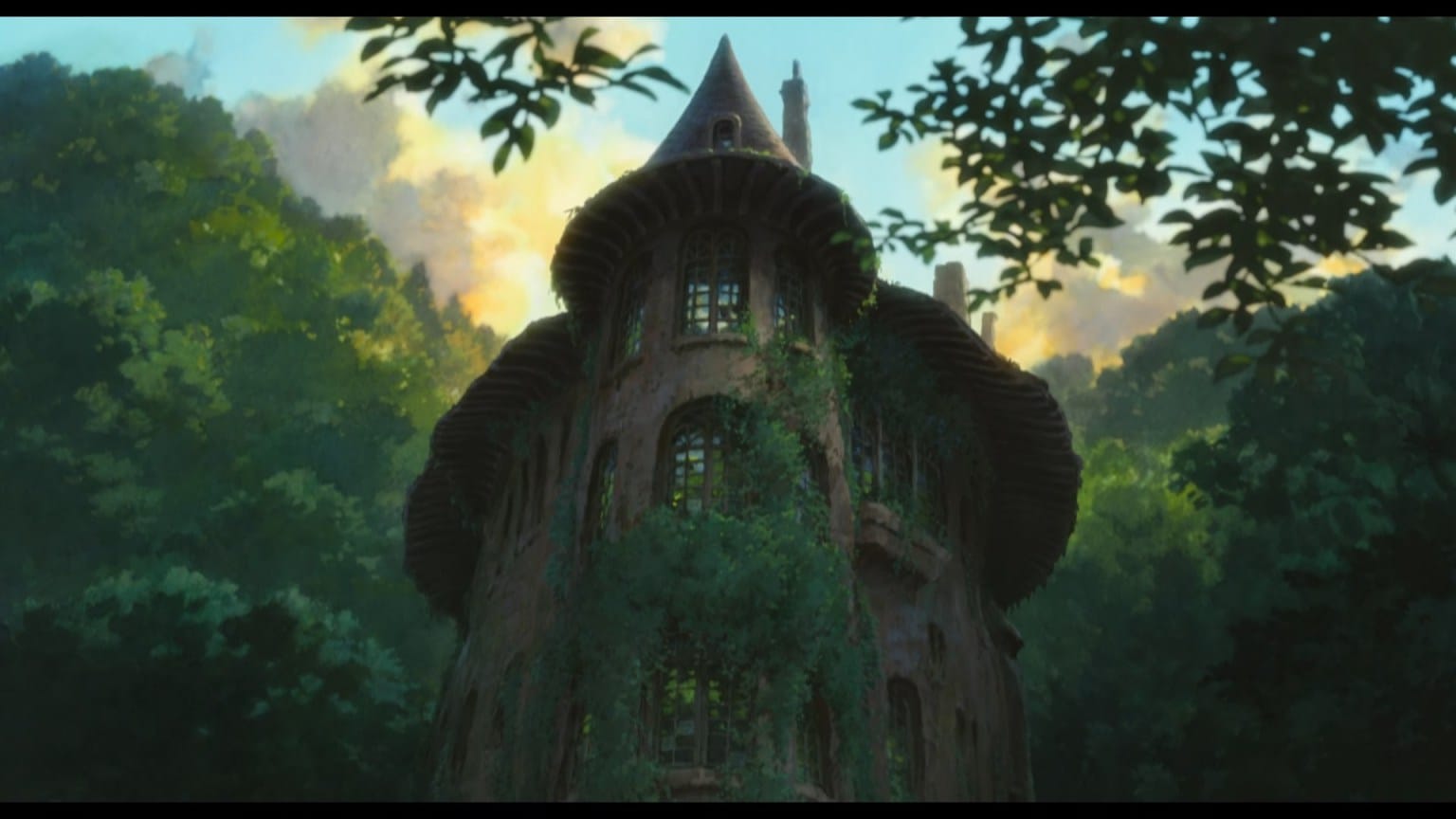
That’s where things shifted from entertainment into something closer to atmosphere. The first one that really stayed with me recently was The Boy and the Heron; strange, dreamlike, and a little unsettling in the best way. This is the kind of film that doesn’t explain itself so much as invite you to wander through it.
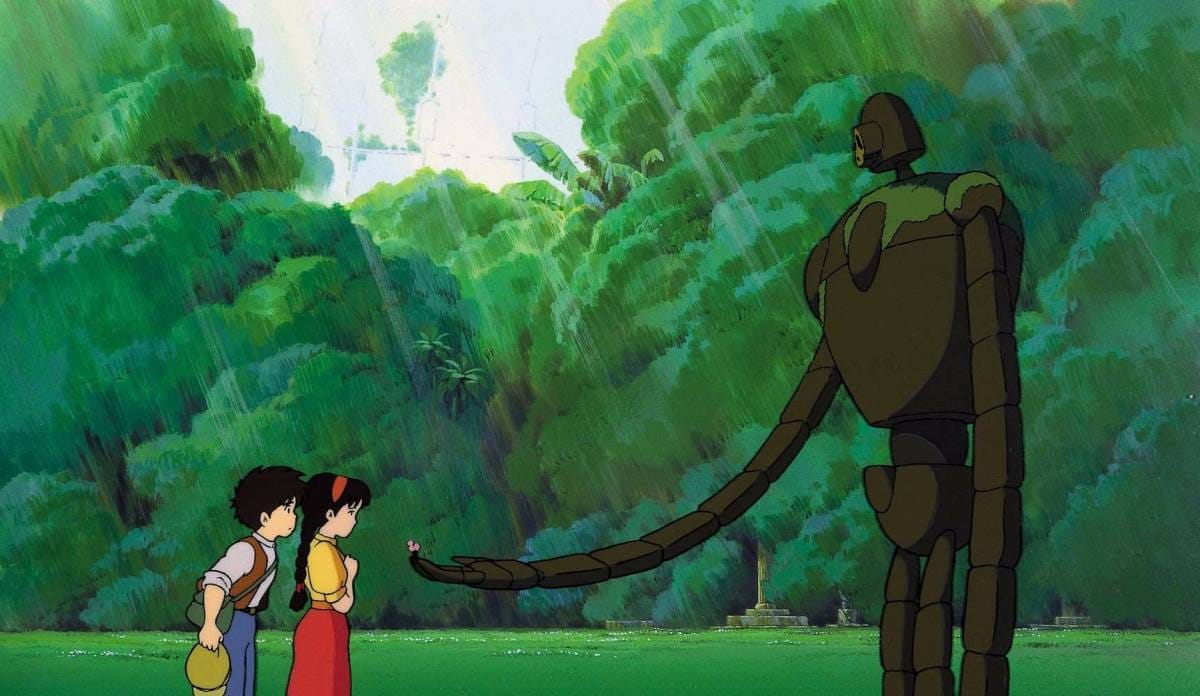
Then came Castle in the Sky, and that one landed differently; not during the big moments like the airships, the chases, and the floating island. It was quieter than that; a robot tending a garden in the ruins of a forgotten city, or wind moving through tall grass. Nothing was being rushed or explained; just presence.
There’s something unique about the worlds Miyazaki builds. They’re full of machines, flight and invention, but they never feel cold or mechanical. Technology exists, but nature always has the final say: cities crumble, stone gets covered in moss, and machines built for war end up tending gardens.
It’s not anti-technology. It’s more like a reminder that power without intention eventually dissolves back into the earth.
Watching these films, you start to realize the magic isn’t really in the spectacle. It’s in the stillness between it: wind through trees. quiet neighborhoods and ordinary streets seen from a passing car.
Hayao Miyazaki once said, " It's in everyday, ordinary scenery, where I discover the extraordinary".
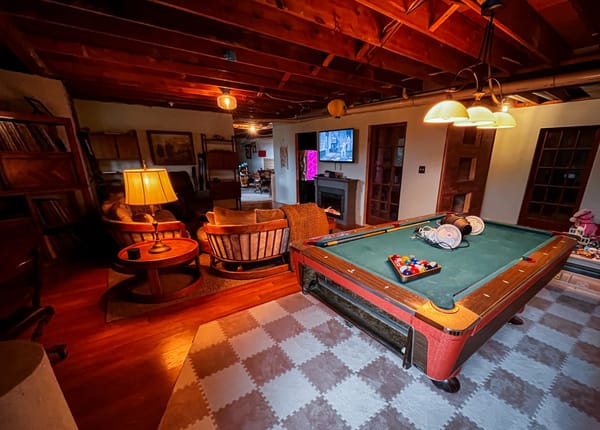
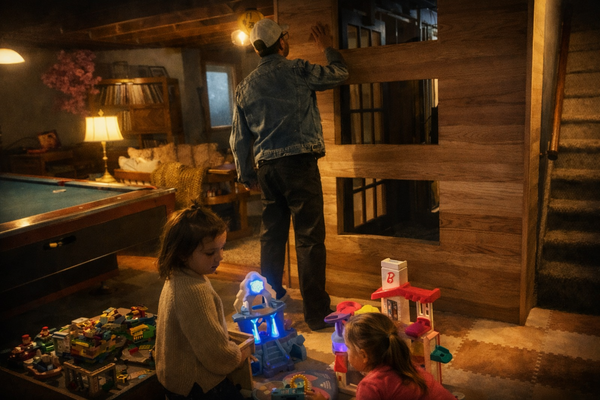
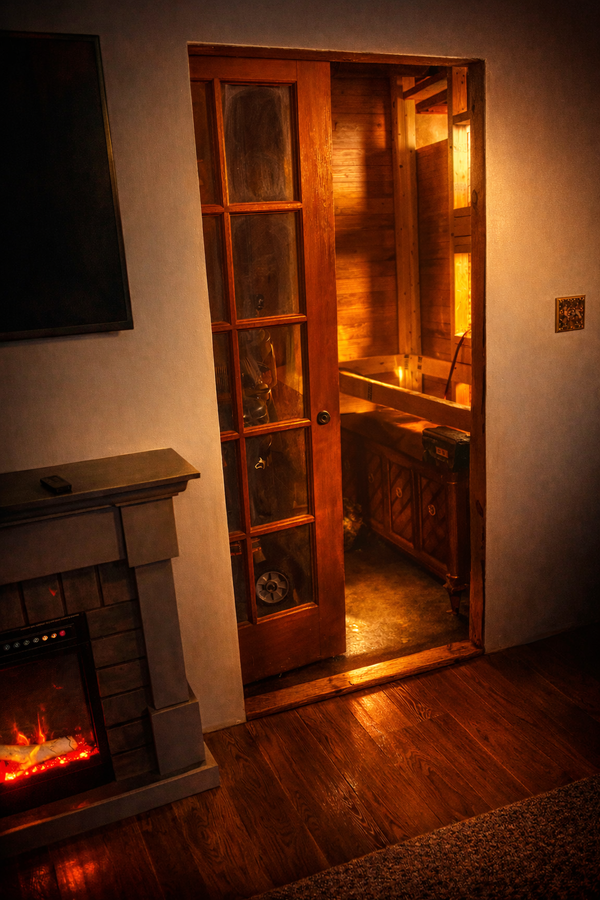
That idea stuck with me because that’s exactly what I’ve been trying to build lately; not something grand or cinematic, but spaces and rituals where the ordinary starts to feel deeper than it normally does.
- The basement spaces.
- The lighting choices.
- The mix of analog gear, natural materials, and small corners dedicated to different things.
- Music in one space.
- Reptile enclosures in another.
- A place to make tea.
- A place to work.
Not optimized. Just…alive.
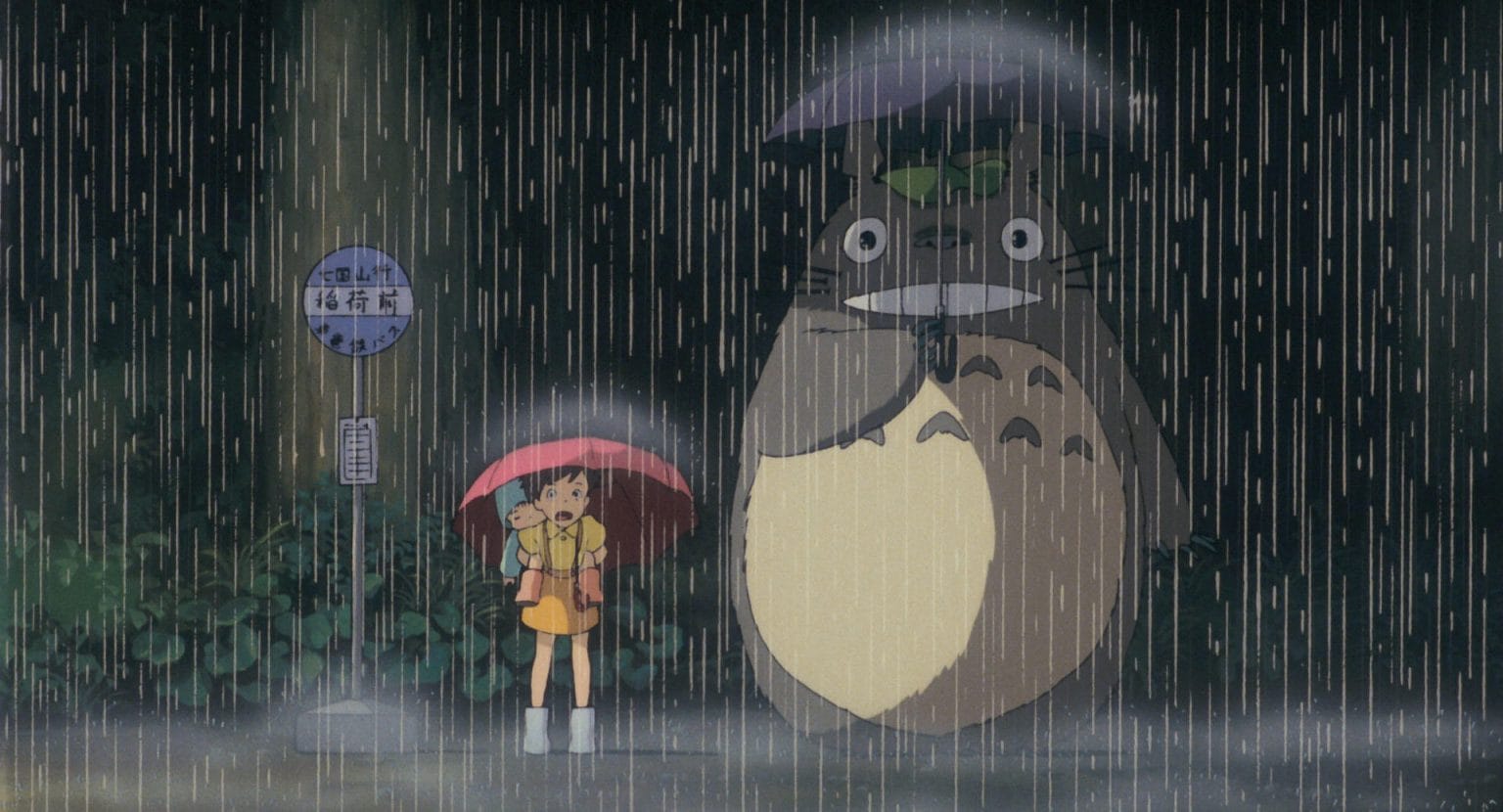
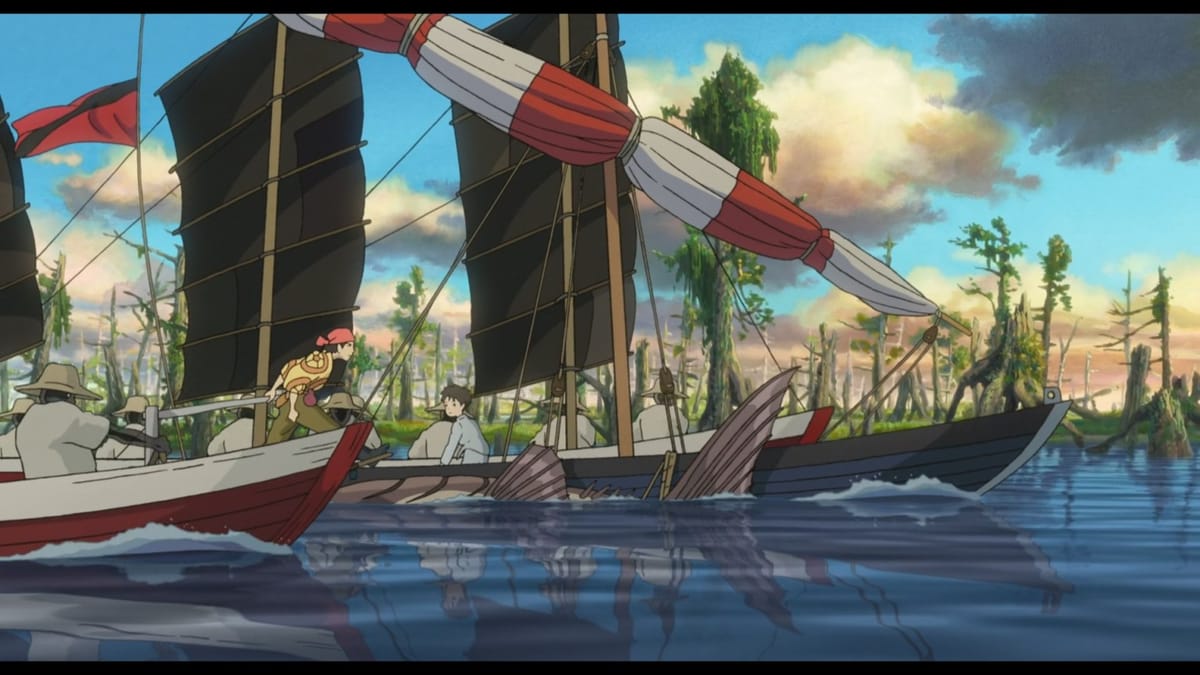
You see the same feeling across other Miyazaki films too. In My Neighbor Totoro, the magic lives inside everyday childhood moments like waiting at a rainy bus stop, walking through forests, and sitting quietly beside a giant creature that somehow feels completely natural. In From Up on Poppy Hill, the feeling is nostalgia and memory; the way old buildings and traditions carry meaning simply because someone cared enough to keep them alive. In Castle in the Sky, it’s the ruins of a once-powerful civilization slowly being reclaimed by wind, moss, and time.
They are different stories, but they carry the same feeling. A quiet reminder that beauty doesn’t come from perfection or scale. It comes from attention.
It’s easy to dismiss animation as escapism: fantasy worlds, flying cities, and spirits in the forest. But the best of it doesn’t feel like escape. If anything, it sharpens your attention to the real world. It reminds you that atmosphere matters. The environments around us shape how we move through our days. Presence is something you can design and weave into the spaces around you and the rhythms of everyday life.
Maybe that’s why these films linger. It isn't because they take you somewhere else. It's because they remind you that the place you're already standing in might be more interesting than you realized.
Kaizoku Path isn't about leaving your life behind. It's about discovering the adventure inside of it.
More Editions, Field Notes, and Project Ledgers can be found at kaizokupath.com