Tigris: Detroit on Its Own Frequency
Inspired by Japanese listening cafés, Tigris finds its own rhythm through vinyl, atmosphere, and unmistakable Detroit swagger.

A return to Southwest Detroit leads to Tigris, a vinyl listening lounge that takes inspiration from the culture of Japanese listening cafés while developing an identity entirely its own.
Field Note VIII:
Somewhere along the way, I became fascinated with Japan’s listening cafés. These are places where music is treated as something worthy of undivided attention, where carefully assembled sound systems, curated records, and thoughtfully designed interiors create an environment built around the simple pleasure of listening. The appeal isn’t necessarily just about discovering new music. It’s also about experiencing familiar music differently, in a setting where the atmosphere is as deliberate as the sound coming through the speakers.
I’d been wondering why there weren’t more places like this around Detroit. A city with such an extraordinary musical history seemed like a natural home for the concept. Then I came across Tigris, a vinyl listening lounge in Southwest Detroit.
What I found wasn’t quite the Japanese listening café I’d been imagining. It was something with its own personality, rooted in a different cultural history and carrying a distinctly Detroit kind of swagger.
Finding Another Reason to Go Out
There was a personal reason I was looking for somewhere like Tigris. My birthday was approaching, and I wanted to do something that felt like an occasion. For a long time, going out to celebrate had been closely associated with drinking. Without alcohol at the center of the evening, I found myself reconsidering what I actually wanted from a night out.
It wasn’t that I had lost interest in going places. If anything, I’d become more particular about the places I wanted to spend time in. Atmosphere had always mattered to me, perhaps more than I’d realized. The music, the lighting, the people, the design of a room, and the feeling of being somewhere with a personality of its own were often what made an evening memorable in the first place.
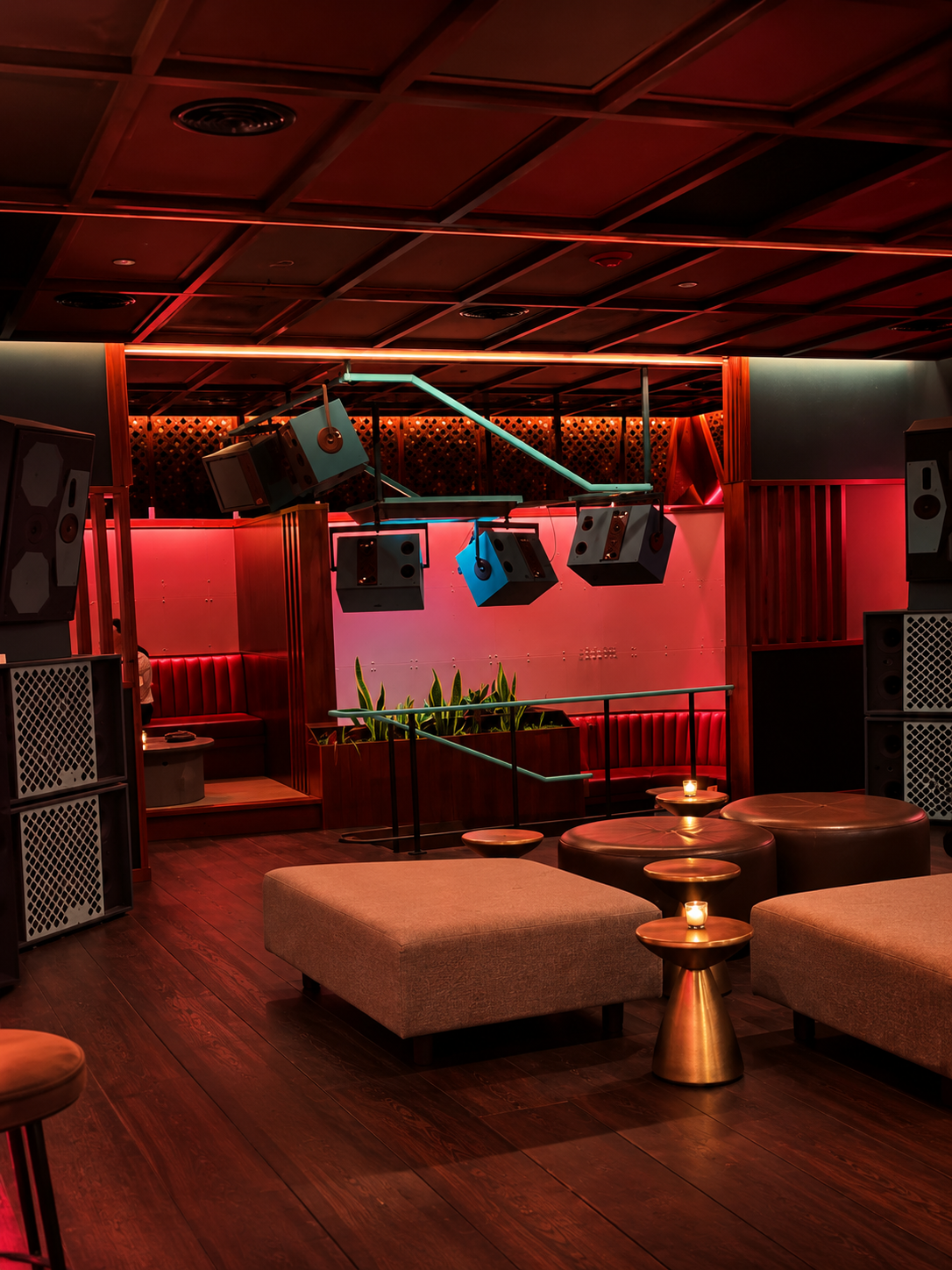
Tigris seemed to offer that combination. Vinyl records, an interesting interior, and a proper espresso were more than enough to get me interested. There was something appealing about going somewhere specifically to inhabit a space and enjoy what was happening within it, without needing an elaborate itinerary or a particular occasion beyond wanting to be there.
Back to Southwest Detroit
Southwest Detroit was familiar territory, although from a different period in my life. I’d spent time in the neighborhood during my college years, and returning brought with it that peculiar experience of visiting somewhere you know while recognizing that your relationship with it has changed.
The city itself is always evolving, and so are the reasons we find ourselves drawn to particular places. Years ago, I might have approached an evening in Detroit with an entirely different set of expectations. This time, I was interested in a listening lounge, its sound system, and the possibility of spending a few hours surrounded by good music.
That shift was part of what made the visit interesting. I hadn’t traveled somewhere unfamiliar or stumbled upon an entirely new neighborhood. Instead, I was returning to a place I’d known for years and finding something I hadn’t experienced before.
There’s a particular satisfaction in that kind of discovery. Familiar places have a way of becoming fixed in our minds, even as they continue changing around us. Sometimes all it takes is a new reason to visit to see them differently.
A Different Kind of Listening Room
The Japanese listening cafés that first captured my attention tend to be associated with a certain restraint. Their appeal often comes from a reverence for the music, the equipment, and the act of listening itself. There can be an almost ceremonial quality to the experience, particularly in the traditional jazz kissaten, where the room is arranged around a carefully considered sound system and an extensive record collection.
Tigris shares some of that underlying philosophy, but its interpretation is decidedly different.
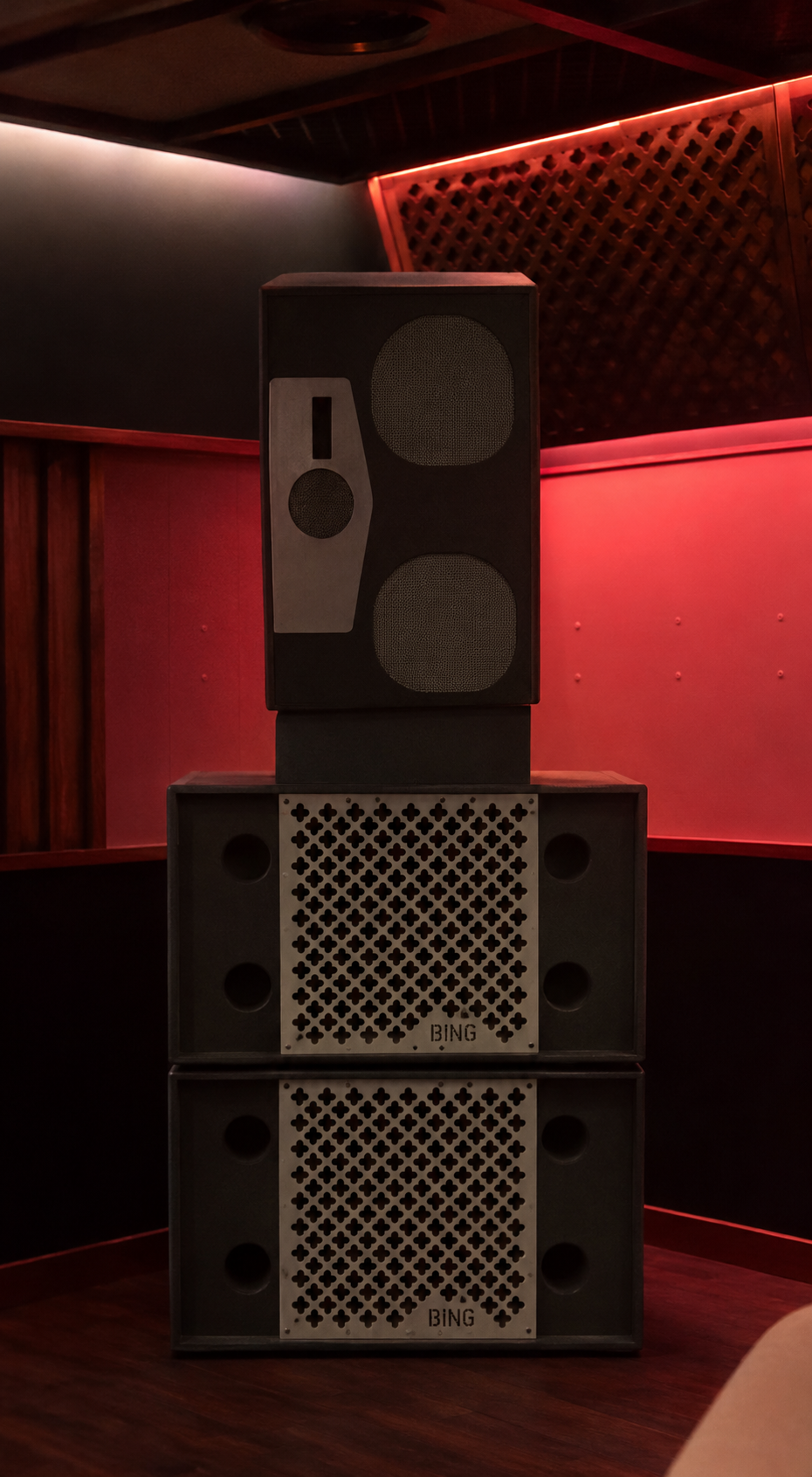
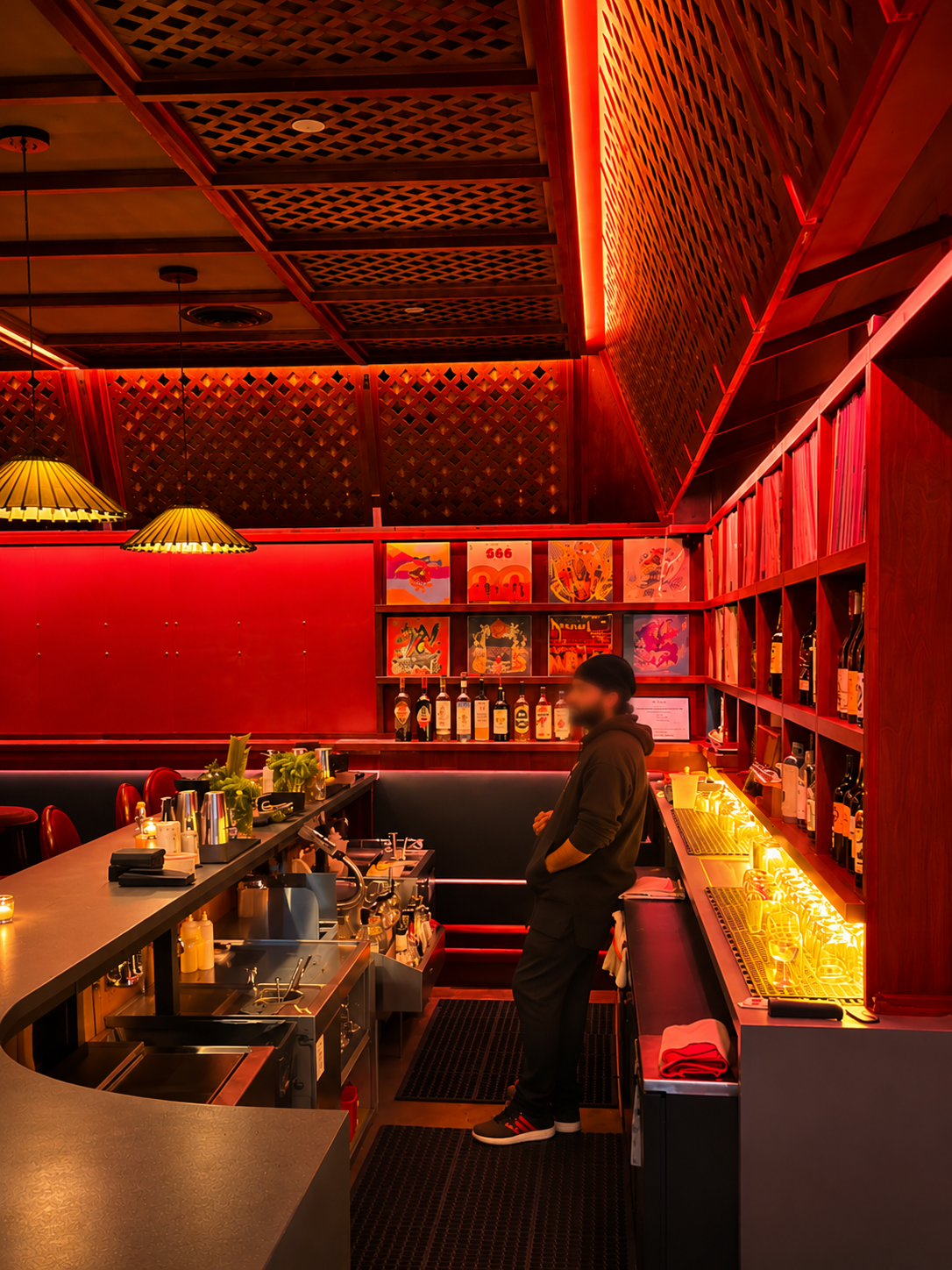
The custom speakers make it clear that sound is central to the experience, yet the room doesn’t seem interested in reproducing the quiet austerity sometimes associated with Japanese listening culture. There’s more flamboyance here, more visual attitude, and a willingness to let the music become part of a social atmosphere rather than something that demands silence from its patrons.
During my visit, the music moved through jazz-inflected house and gradually toward disco and funk. It was a progression that felt natural within the space, drawing on sounds that are deeply connected to Detroit’s musical identity without reducing the evening to a lesson in local music history.
What interested me was how comfortably those influences existed together. The sound system and vinyl culture might have suggested one tradition, while the music, design, and overall personality of the room pointed somewhere else entirely.
It was familiar in concept but different in execution, which is often where the most interesting cultural interpretations begin.
What Exactly Is Detroit Swagger?
Detroit swagger is a difficult thing to define without falling into the usual collection of clichés about grit, industry, and resilience. Those descriptions have their place, but they’ve been repeated so often that they can obscure the city’s more colorful personality.
Locally, "Detroit Swagger" describes an unapologetic, self-made confidence rooted in the city's history. The Detroit I recognize has always had an appreciation for style. It’s there in the extravagance of classic American cars, the tailored elegance of Motown, the audacious spitit of rock ‘n’ roll, and the futuristic imagination that helped shape techno. These expressions don’t necessarily look or sound alike, but they share a willingness to make an impression.
There’s a certain confidence in that approach, an understanding that something can be beautifully made and still have a little attitude. Detroit has never been exclusively about rough edges or industrial restraint. It’s also a city of polished chrome, elaborate sound systems, sharp clothes, ambitious design, and music intended to move people.
Tigris seems to understand that side of the city.
Its afro-futuristic touches and rock ‘n’ roll sensibility give the room a personality that feels more expressive than restrained. The atmosphere draws from the same broader cultural vocabulary that has made Detroit such an interesting place for music and design, while creating something contemporary rather than nostalgic.
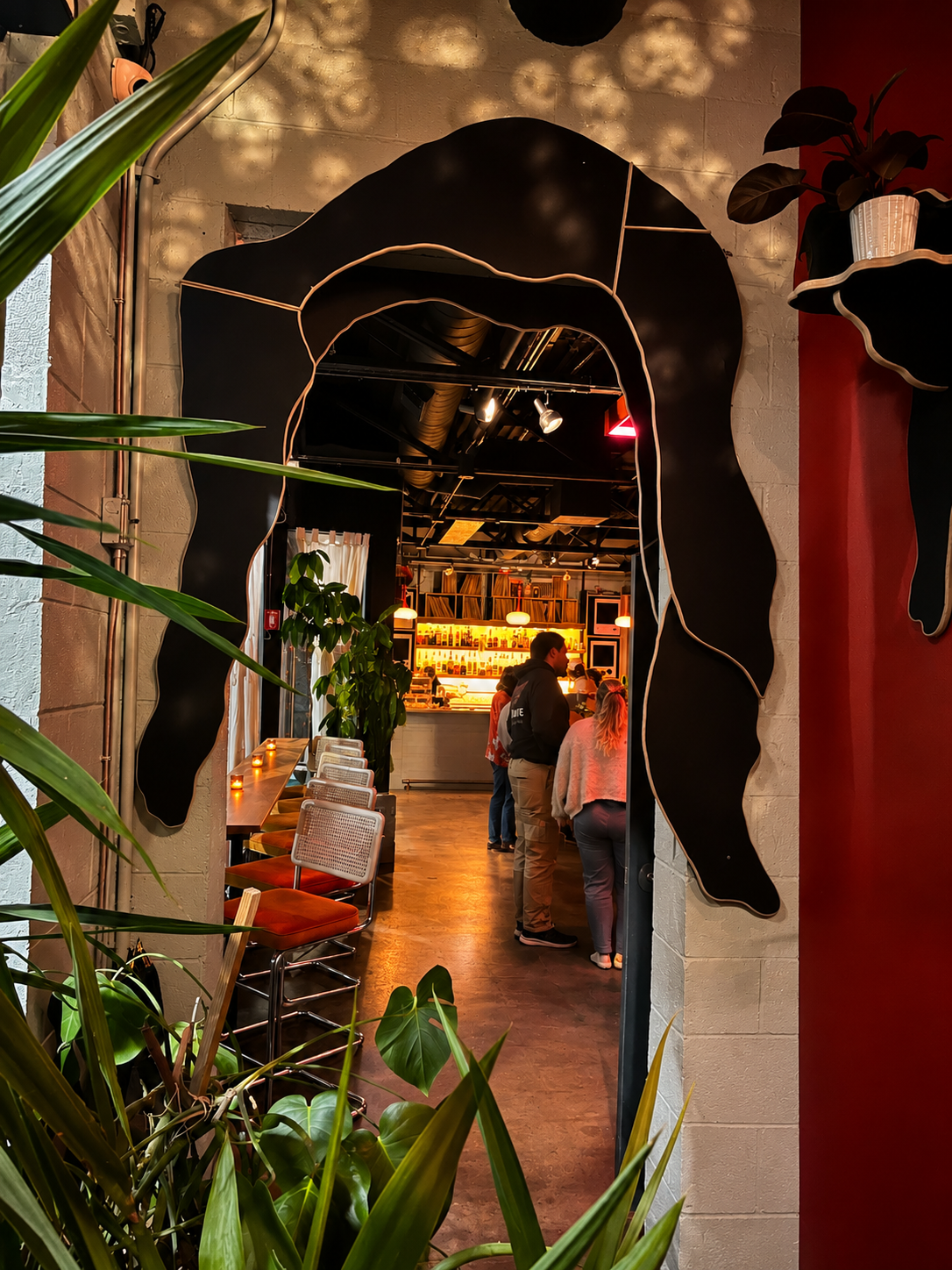
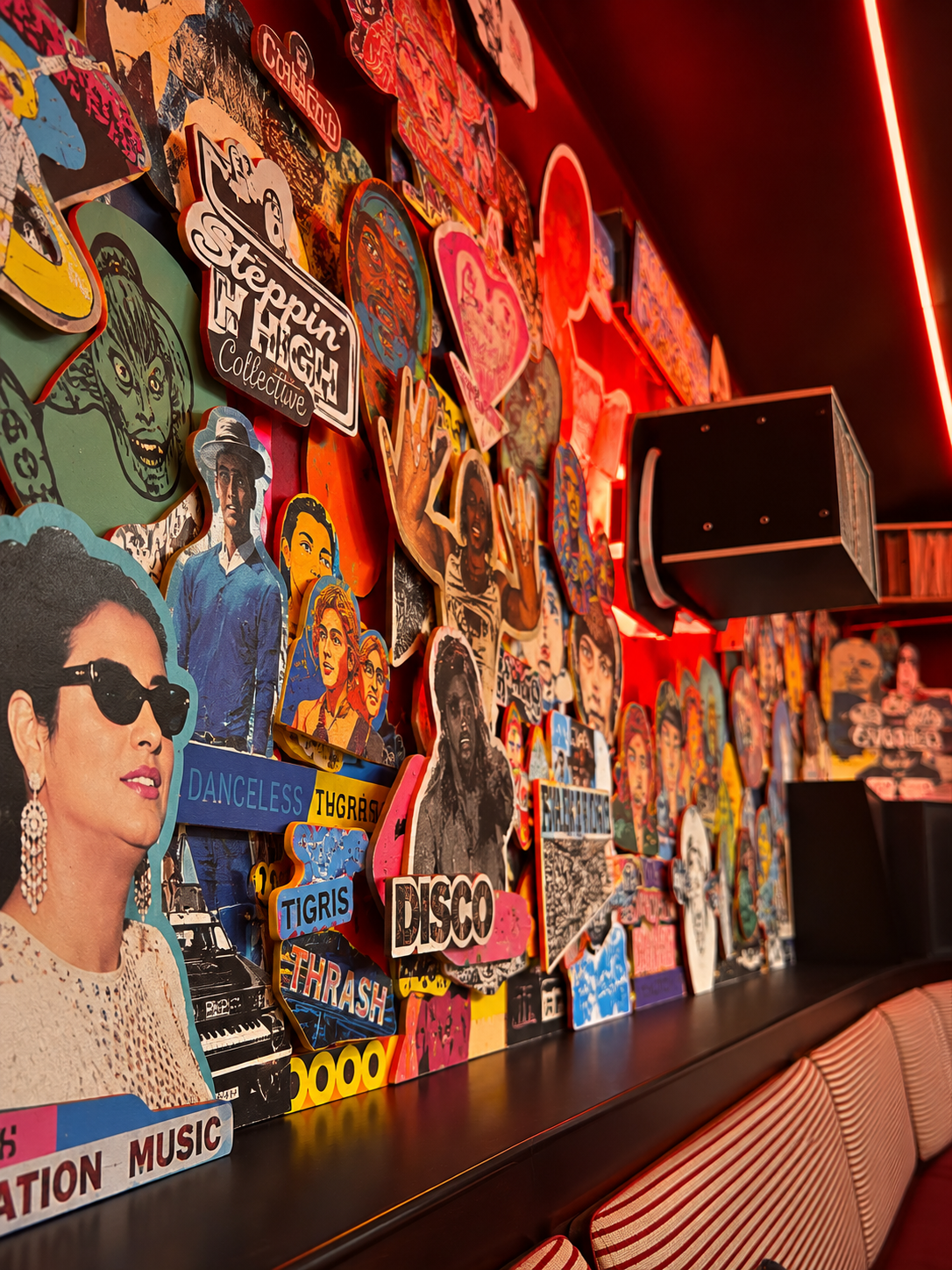
To me, that’s the distinction between borrowing an idea and making it your own. The Japanese listening café may have provided a point of reference, but Tigris doesn’t need to pretend it belongs somewhere else. It feels entirely comfortable being in Detroit.
The Pleasure of Being Somewhere
One of the things I’ve come to appreciate about places like Tigris is that they provide an experience without demanding much from the person visiting. You don’t have to participate in an organized activity, learn a new skill, or accomplish anything while you’re there. The room itself offers enough to engage with.
There’s music to follow, equipment to admire, details to notice, and an atmosphere that changes subtly as the evening unfolds. Even the act of sitting with an espresso becomes part of the experience rather than something squeezed between other plans.
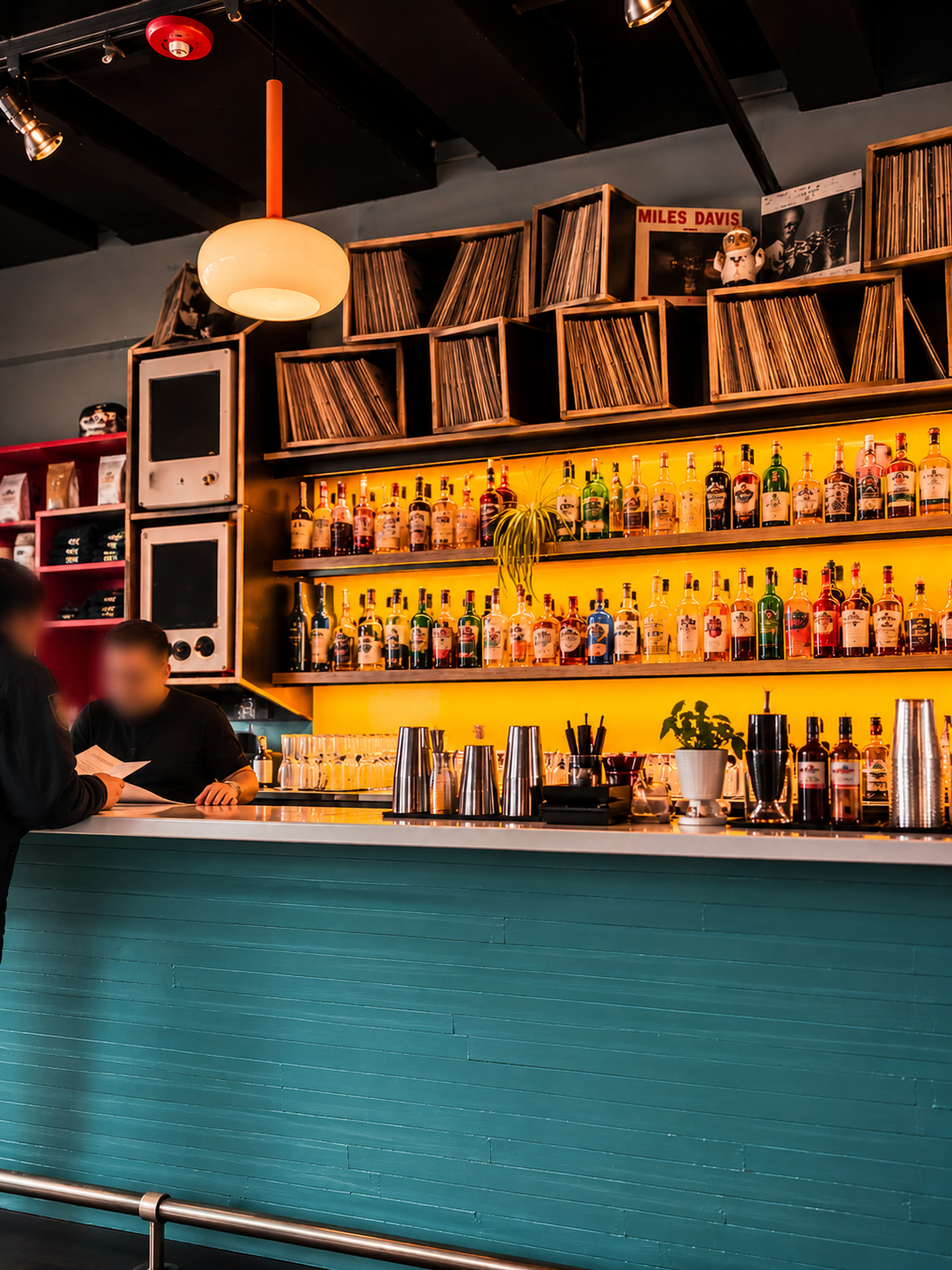

That kind of environment appeals to the same part of me that’s drawn to record collections, workshops, unusual cafés, and thoughtfully assembled personal spaces. Each represents an opportunity to step into a world that somebody has taken the time to cultivate.
The distinction matters because there’s a difference between a place that’s simply decorated and one that feels like it has developed a genuine identity. That carries evidence of someone’s interests, choices, and particular way of seeing things. You can sense that the details belong together, even when the influences come from different places.
Tigris has that quality. The room feels like an expression of a specific point of view rather than an exercise in following a trend.
On Its Own Frequency
I originally became interested in Tigris because I was looking for something resembling the Japanese listening cafés I’d been admiring from afar. What made the visit memorable was discovering how much more interesting the idea became when filtered through Detroit’s own cultural personality.
The underlying concept traveled, but the result belonged to the place where it landed.
That seems like a useful reminder about curiosity more generally. An interest in something happening halfway around the world doesn’t always have to end with traveling there or recreating it exactly. Sometimes it changes the way we look at what’s already nearby, helping us recognize an experience we might otherwise have overlooked.
My evening at Tigris began with a search for somewhere to celebrate a birthday. It ended up being a return to a familiar neighborhood, an encounter with a different interpretation of listening culture, and another reason to appreciate the peculiar creative confidence of Detroit.
I went looking for a little piece of Japan and found something unmistakably Detroit instead.
I think I preferred it that way.
 Kaizoku Path

READ PREVIOUS ARTICLE