Building an Audio System Through Music and Time
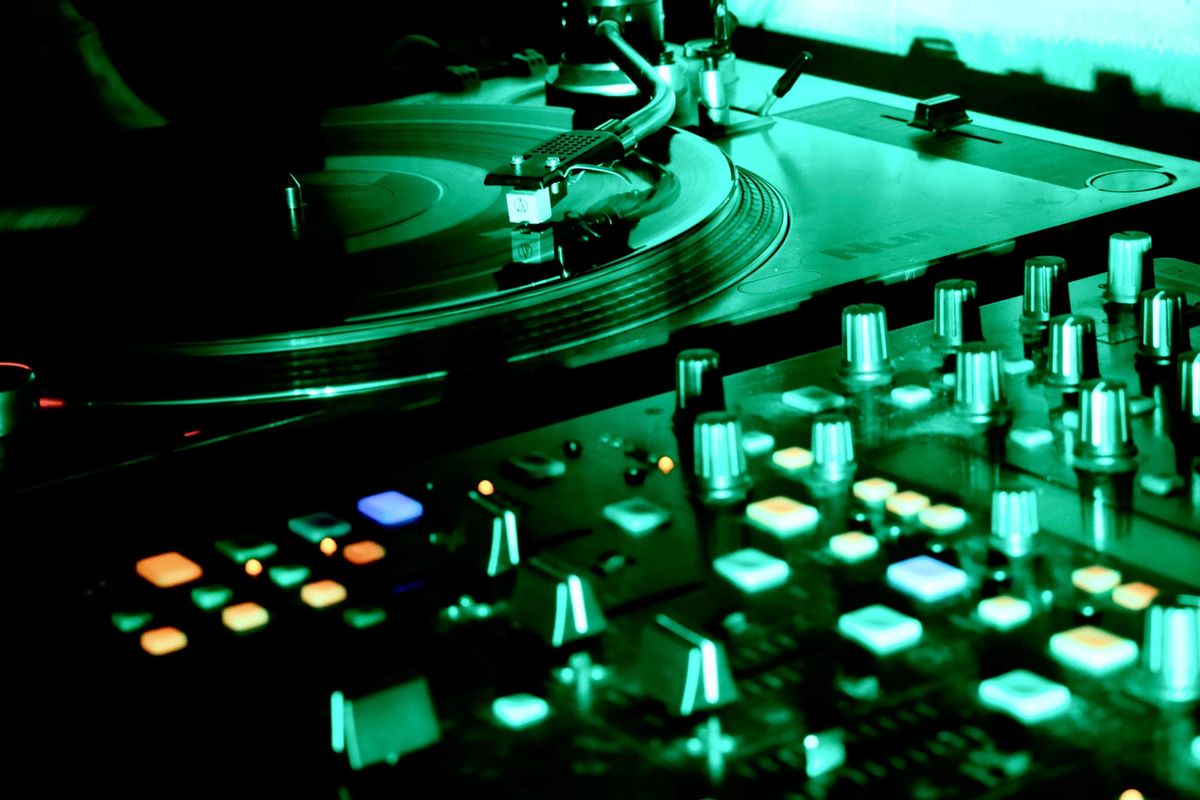
A personal audio system built over time, moving from DJing and vinyl into a creative workspace shaped by Detroit music culture, analog gear, and a return to making.
Project Ledger II
Where It Started
It started in a bedroom in junior high, but the roots go back a little further.
Before any equipment, there was hip hop. Not just the music, but the culture around it. The version I connected with was shaped heavily by the 80s; the breakdancing, the movement, the style, and the energy that came with it. That was the first real infatuation.
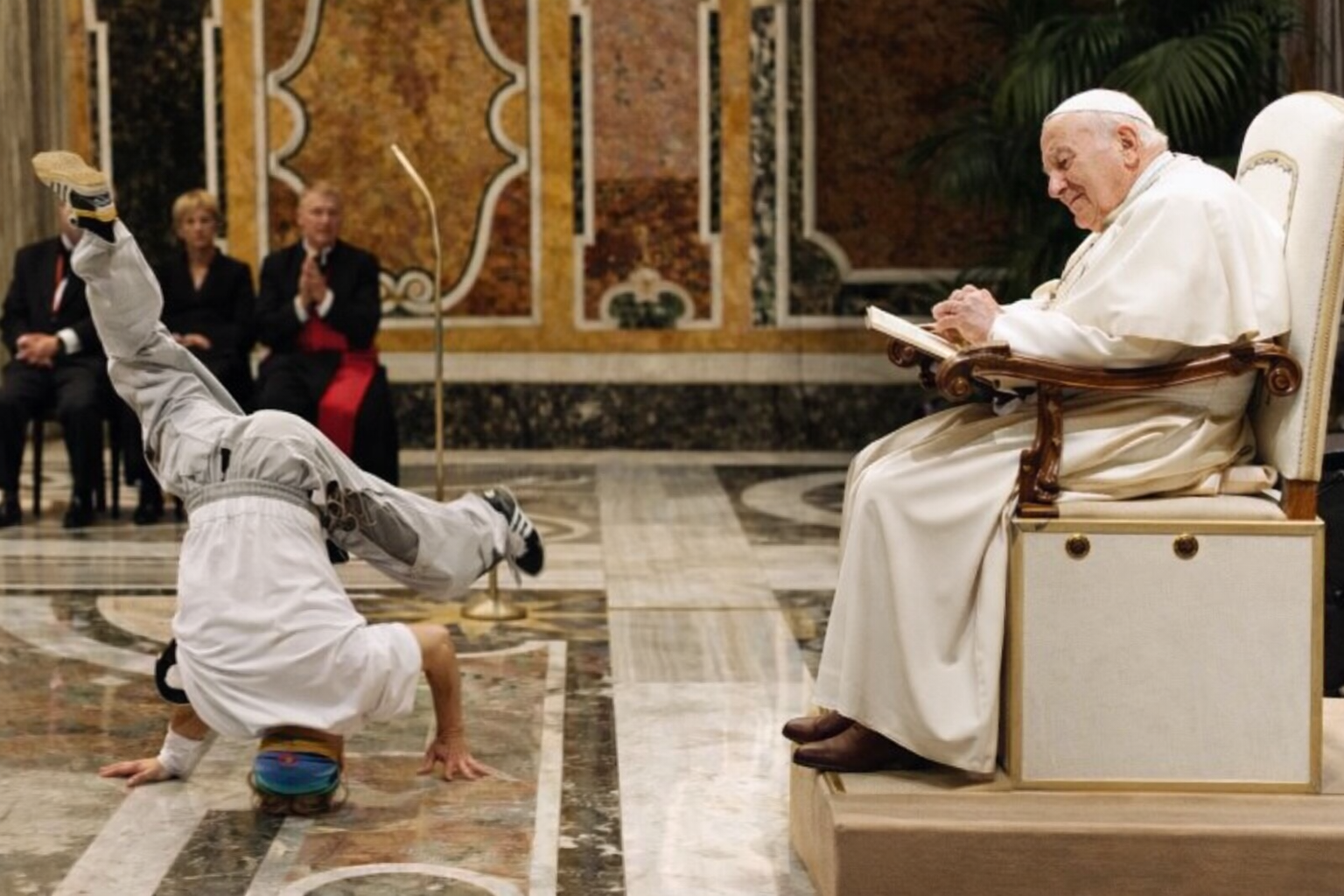
I picked up bboying during trips to Poland in the late 90s and early 2000s, at a time when it had resurfaced there in its own way. I learned from cousins, brought it back with me to the States, and folded it into the version of hip hop culture I was already surrounded by. It didn’t feel separate. It felt like a continuation.
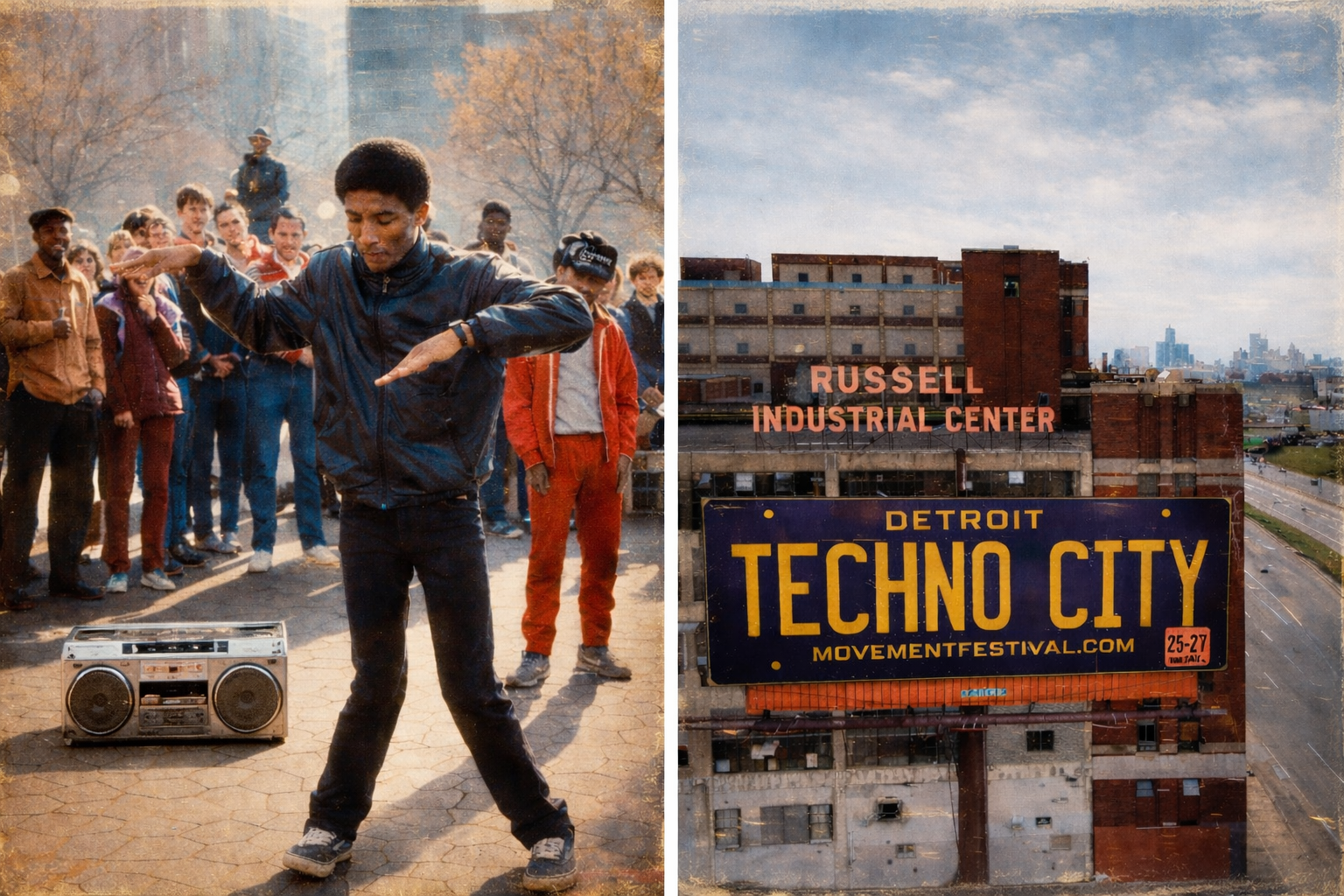
At the same time, something else was forming in the background. Techno was already established in Europe and beginning to take on new life in the States. Living in the Detroit area, it was there whether I was fully aware of it or not. It didn’t show up the same way hip hop did. It was less visible, more underground, but it carried a similar sense of movement and rhythm; repetition, progression, and energy built over time.
Without realizing it, both were shaping how I heard music.
Learning Through Sound
DJing came out of that.
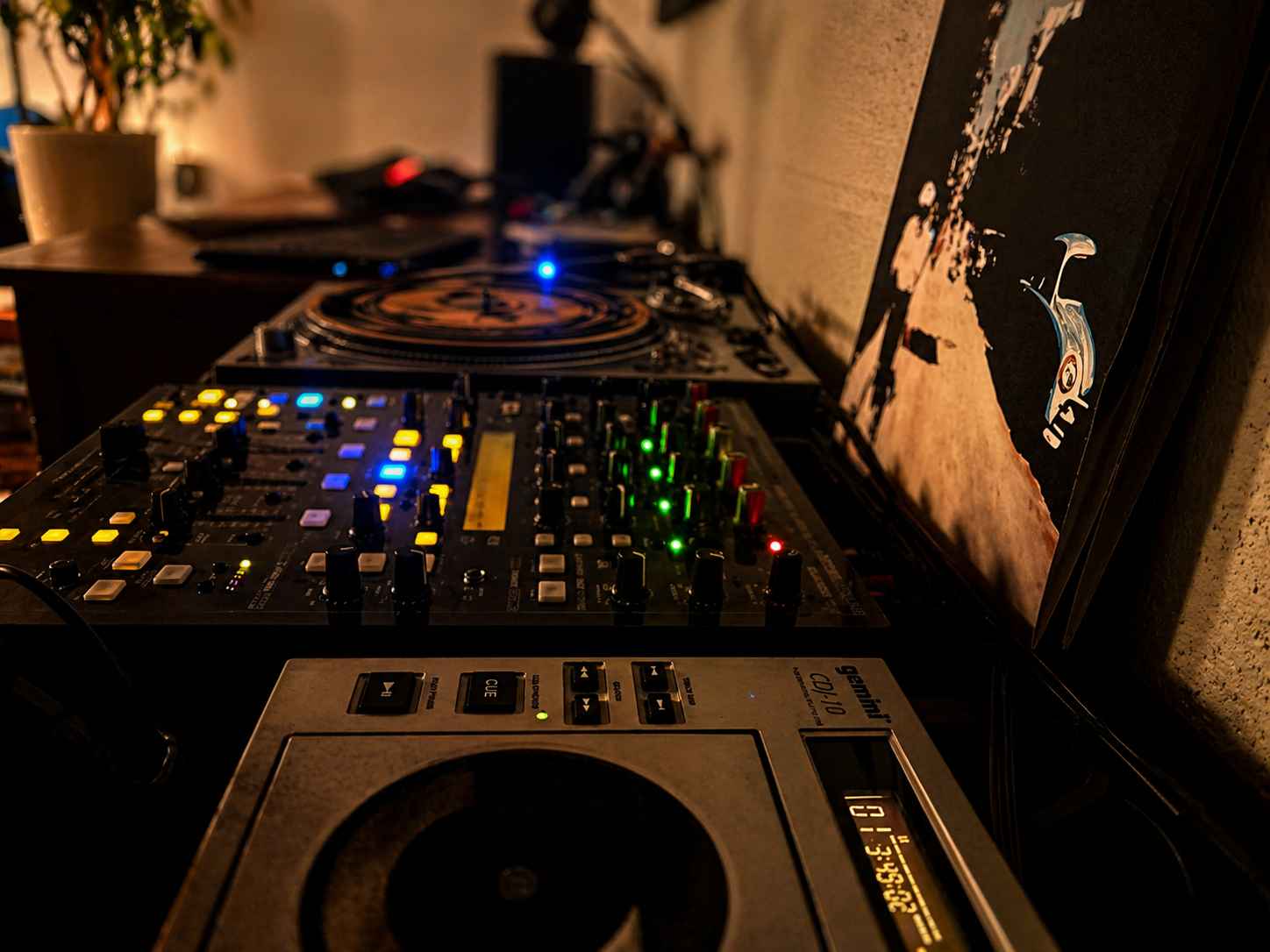
The first setup was simple; a Numark turntable, a couple of Gemini CD decks, and a three-channel mixer. It was just enough to start figuring out how everything worked. It was less about being good and more about being in it. I let tracks play longer than they should, cut them off too early, and learned what sounded right by feel.
That carried into high school and college, where bedrooms turned into basements and basements turned into dance floors. Nothing was formal. Just people, speakers, and whatever equipment we could piece together. Those nights weren’t about precision. They were about energy; music as something shared, something that filled a space and brought people into it.
Around that time, vinyl started to enter the picture. Not as a trend, but as something inherited. Records passed down from family, from friends, from collections that had already lived full lives before they got to me. I didn’t build it from scratch. I stepped into it.
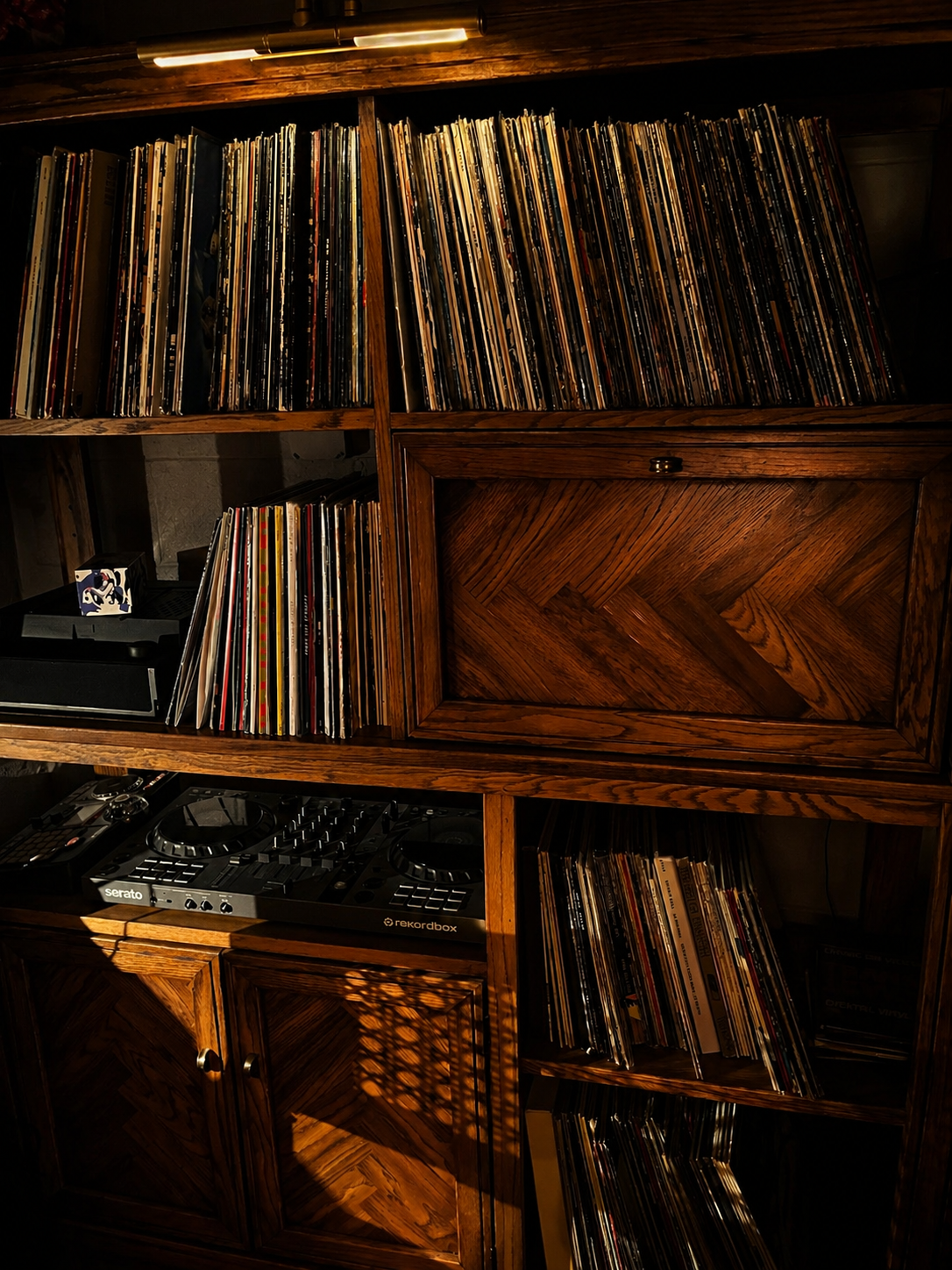
From there, it became record stores around Detroit, digging through bins without knowing exactly what I was looking for. It was about finding something unexpected, trading records, exchanging them as gifts, and talking about them with people who understood. It was never just about the music itself. It was about the connection around it.
In college, there was a brief pull toward sampling. Taking pieces of what already existed and trying to reshape them into something new. It didn’t fully develop at the time, but the interest stayed.
The Pause
Then life shifted.
Career building, early marriage, house hunting, renovations, and starting a family took priority. The equipment stayed, but it stayed quiet. The time for it wasn’t there in the same way, and that was fine. It wasn’t something that was lost. It was something that paused.
The Return
Years later, it came back through a different door.
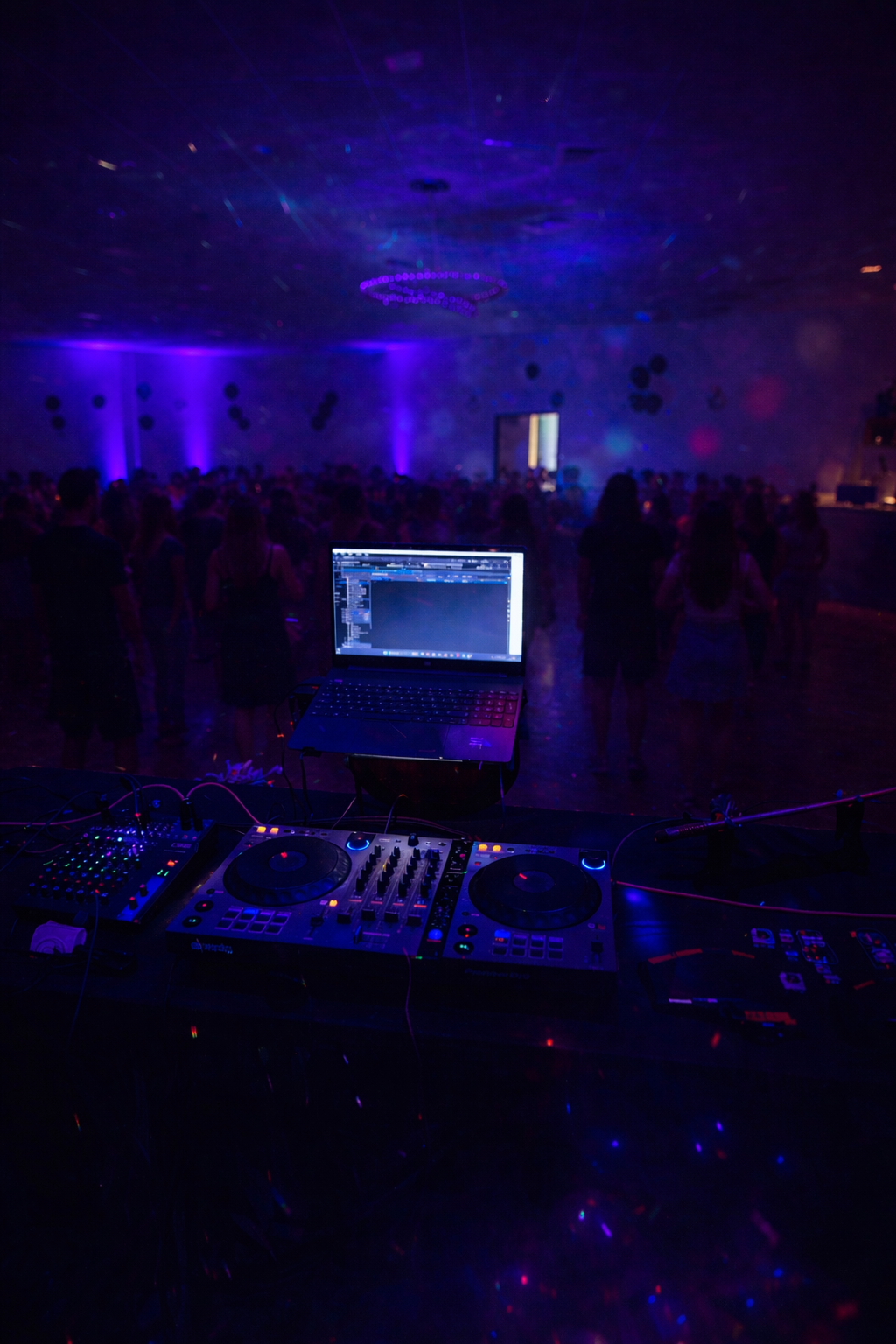
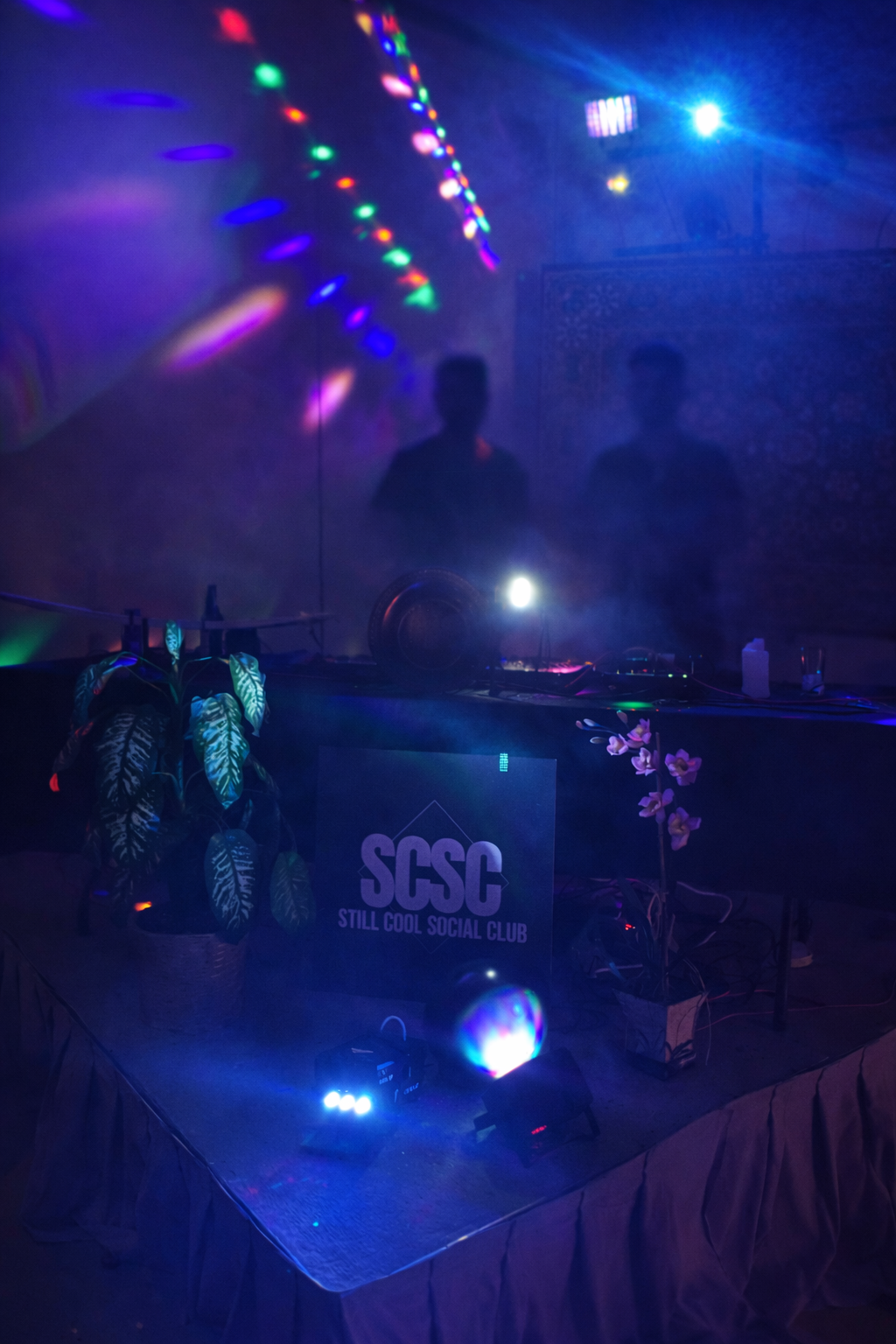
Still Cool Social Club started as a way to bring music back into life with a friend; DJing events, leaning into millennial nostalgia, EDM, and the Polish community around Detroit. It brought energy back, brought people back, and reminded me what it felt like to be in it again.
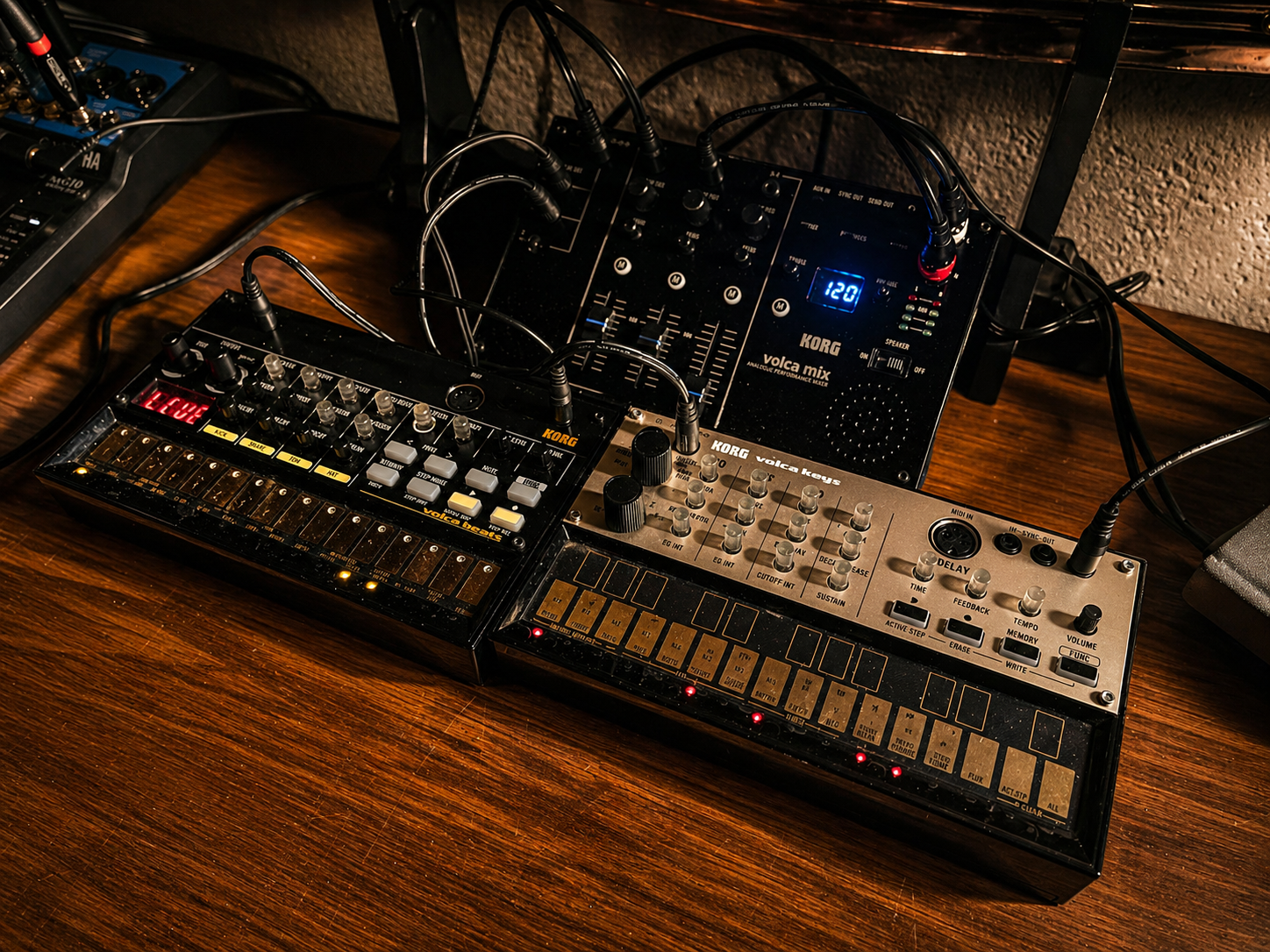
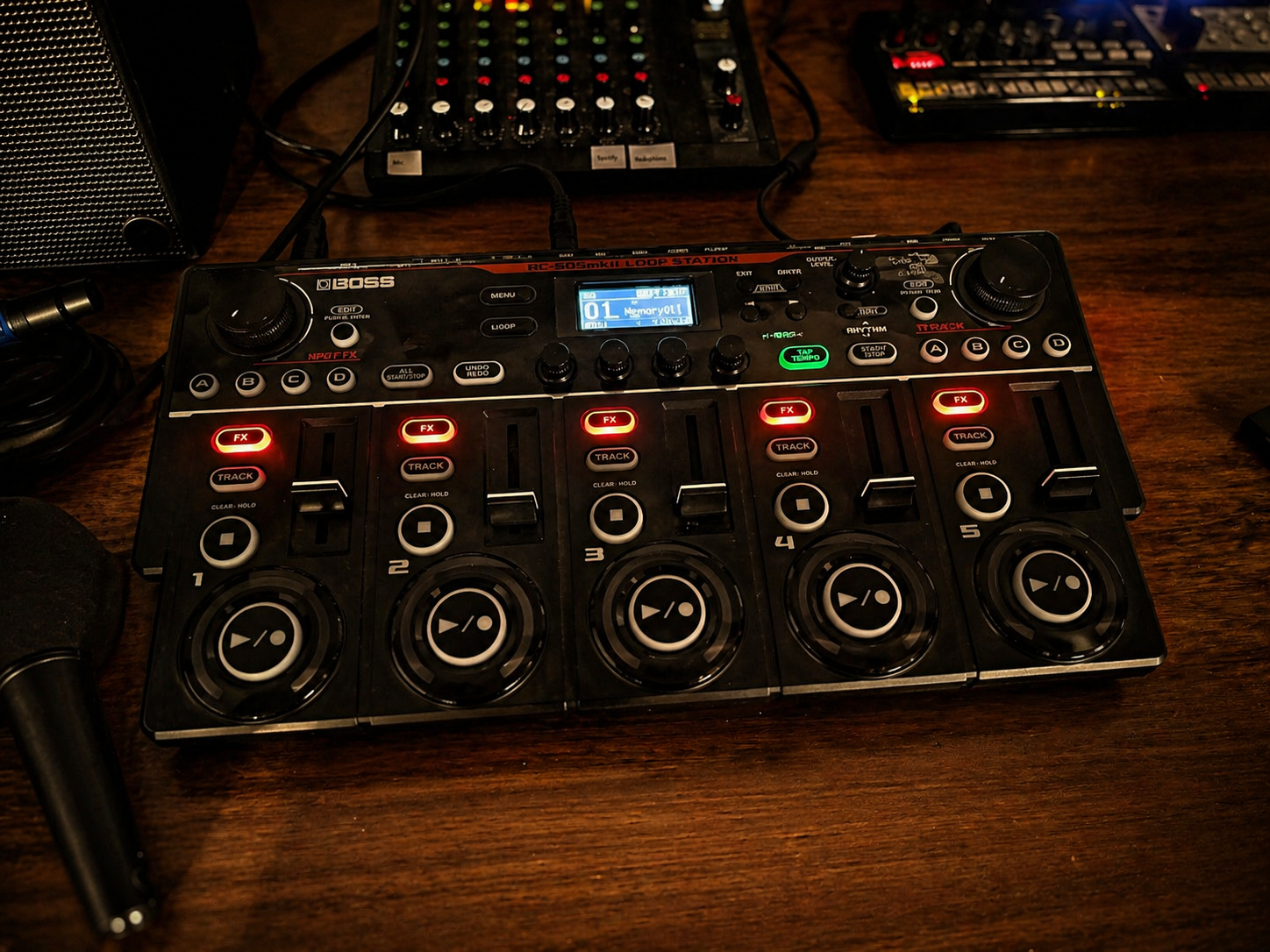
At the same time, new tools started to enter the system. The Behringer mixer had already replaced the old setup years before. Now came the Korg Volca units, the Boss RC-505 MkII, a keyboard, and software. Piece by piece, it became enough to start exploring again.
The side of it built around events eventually slowed down. Schedules tightened and priorities shifted. The business side lost some momentum, but the interest didn’t. If anything, it became clearer.
From Performance to Creation
The shift now is away from performance and toward creation.
There is no need to force output or turn it into something external. It is about sitting down with the system as it exists and seeing what happens. Letting sound develop without pressure.
The current setup reflects that.
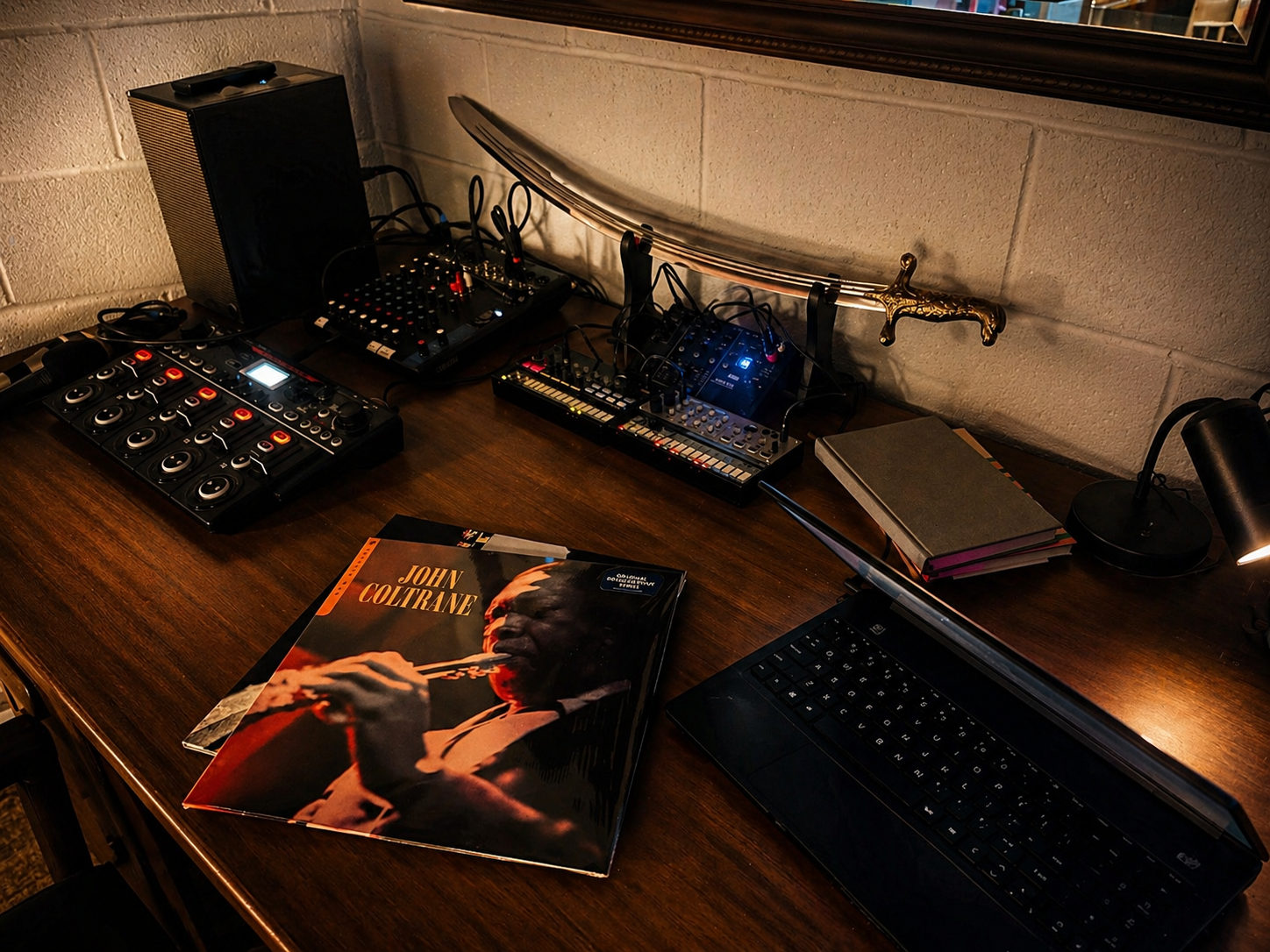
Vinyl runs through a dedicated phono stage. The Korg Volca Mix holds together a small synth section built around Keys and Beats. The loop station acts as a place to capture moments and build from them. Everything is routed in a way that allows for exploration rather than control.
It is not a performance rig in the traditional sense. It is a workspace. Something to return to, to sit with, and to build from without needing an audience.
What Remains
What remains is the act of making.
The same partnership is still there. The same shared interest in sound and energy still exists, just pointed in a different direction. It feels less tied to a single night and more connected to something that can stay.
The system, in its current form, is not built for performance for the sake of being seen. It is a space for collecting moments, shaping atmosphere, testing ideas, and letting them grow into something real.
Over time, it becomes less about entertaining a crowd and more about building a life within the room itself.
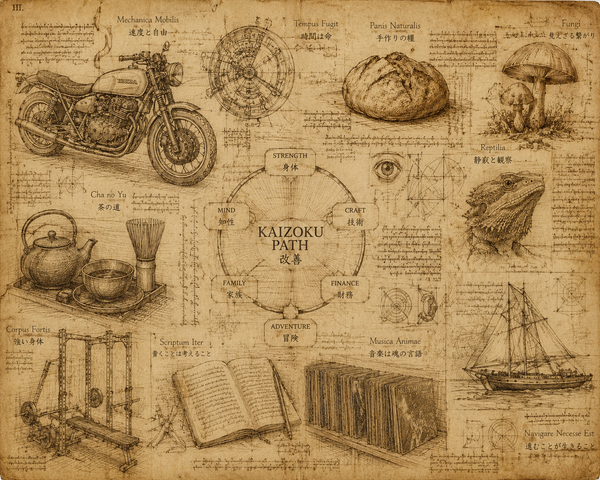
Kaizoku Path isn't about leaving your life behind. It's about discovering the adventure inside of it.
More Editions, Field Notes, and Project Ledgers can be found at kaizokupath.com.