Why I Garden Despite Hating it
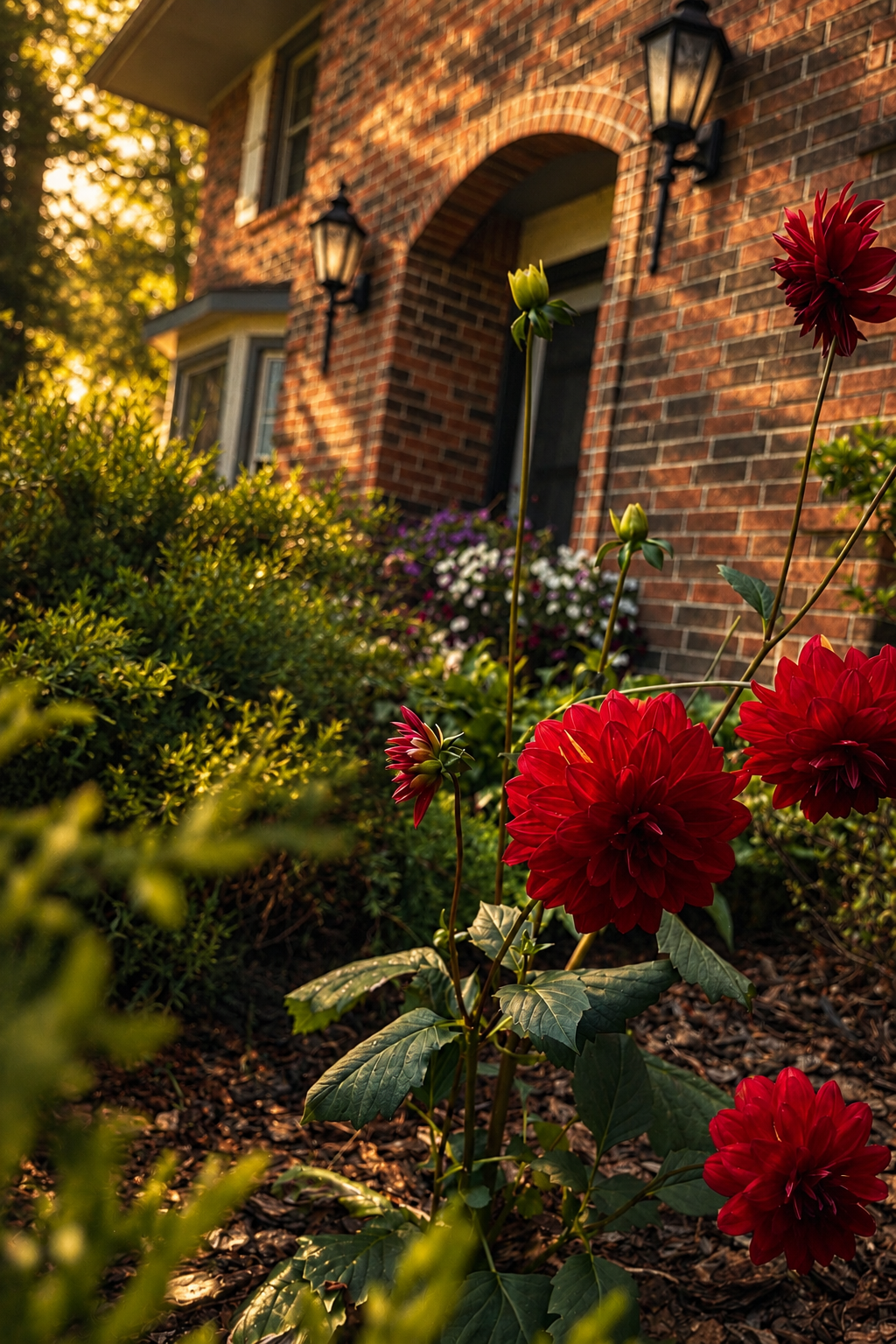
Some parts of a home are a pleasure to create and a pain in the ass to maintain. Both kinds of work matter.
Project Ledger IV:
The Work I Don’t Gravitate Toward
Gardening was never meant to be one of my passions. I don’t romanticize hauling mulch, trimming overgrowth, dragging hoses, or spending entire Saturdays battling weeds that appear to have unlocked the immortality cheat code. There’s nothing particularly interesting about mowing the lawn, edging, pulling thistle, or repairing patches of grass after skunks have torn everything apart looking for grubs. If I’m being honest, I hate most of it, and yet I continue to do it.
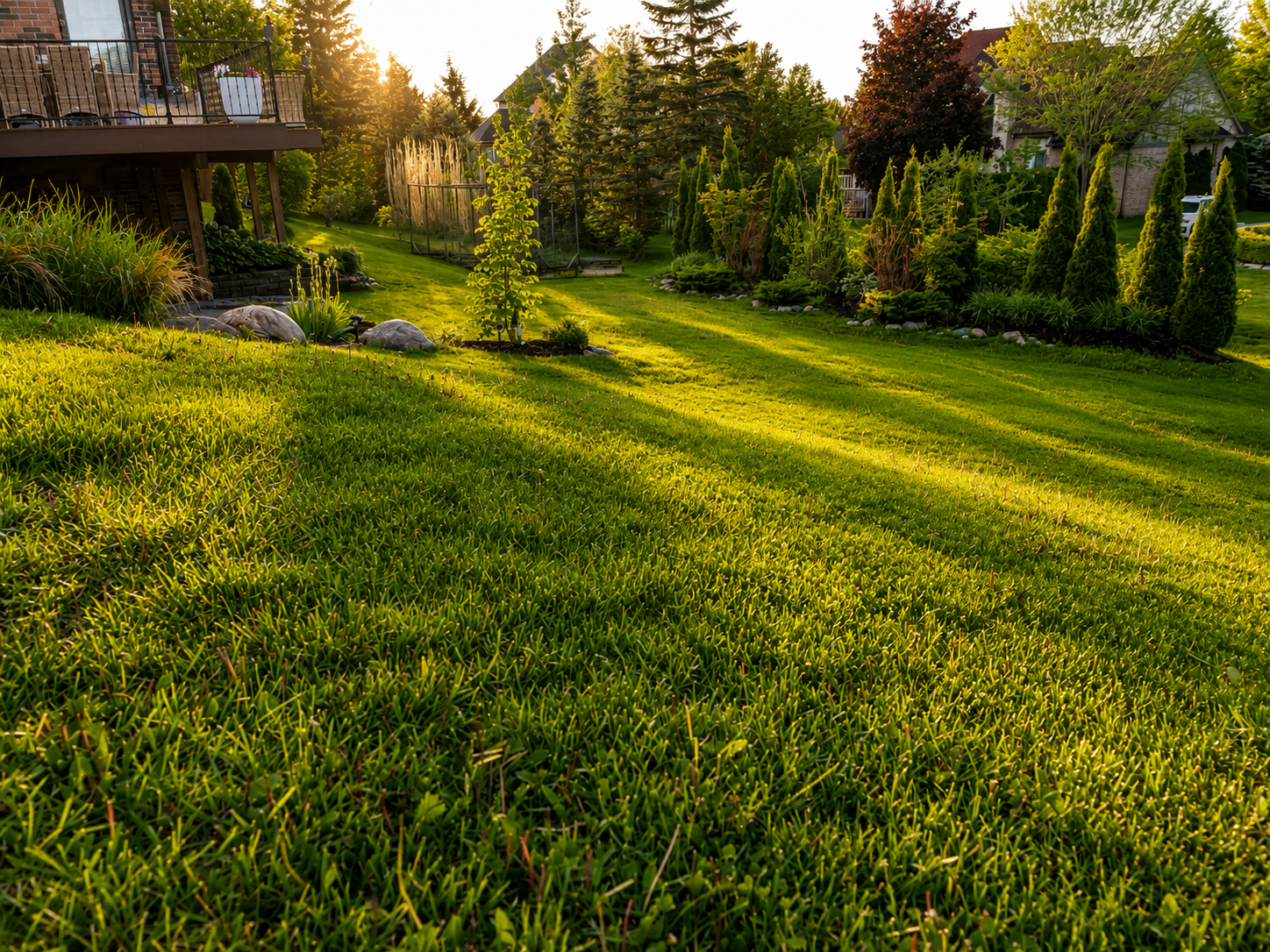
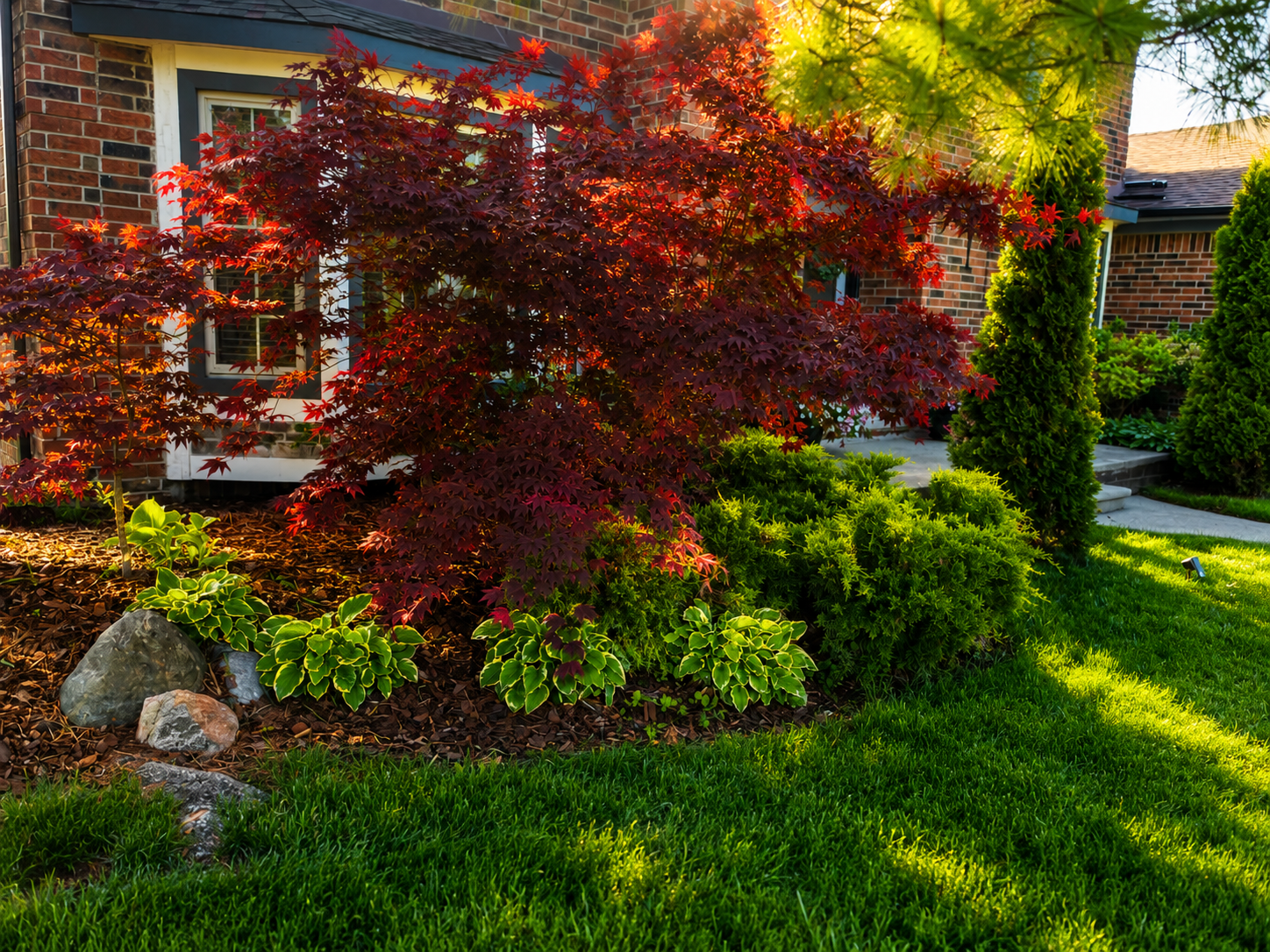
Although there’s an important distinction here. I actually enjoy creating a garden. Planting trees, shrubs, roses, and flowers, designing a new landscape, or taking on a larger project that transforms part of the yard is something I genuinely look forward to. That’s the same instinct that draws me toward building spaces in the basement, or experimenting with other projects around the house. I enjoy imagining what something could become and then figuring out how to make it happen.
Aside from the enclosed vegetable garden built during the COVID lockdown, one of my favorite additions to the backyard came out of a practical problem. The yard originally sloped toward the house, leaving very little usable flat space outside the basement. After excavating the area to create a patio near our inflatable hot tub, I was left with an awkward change in elevation between the lower patio and the lawn. I decided to build a terraced garden using retaining walls and layered plantings to connect the two levels. It took plenty of work, but watching that area take shape was enormously satisfying. Even now, it’s one of the parts of the yard I’m proudest of.
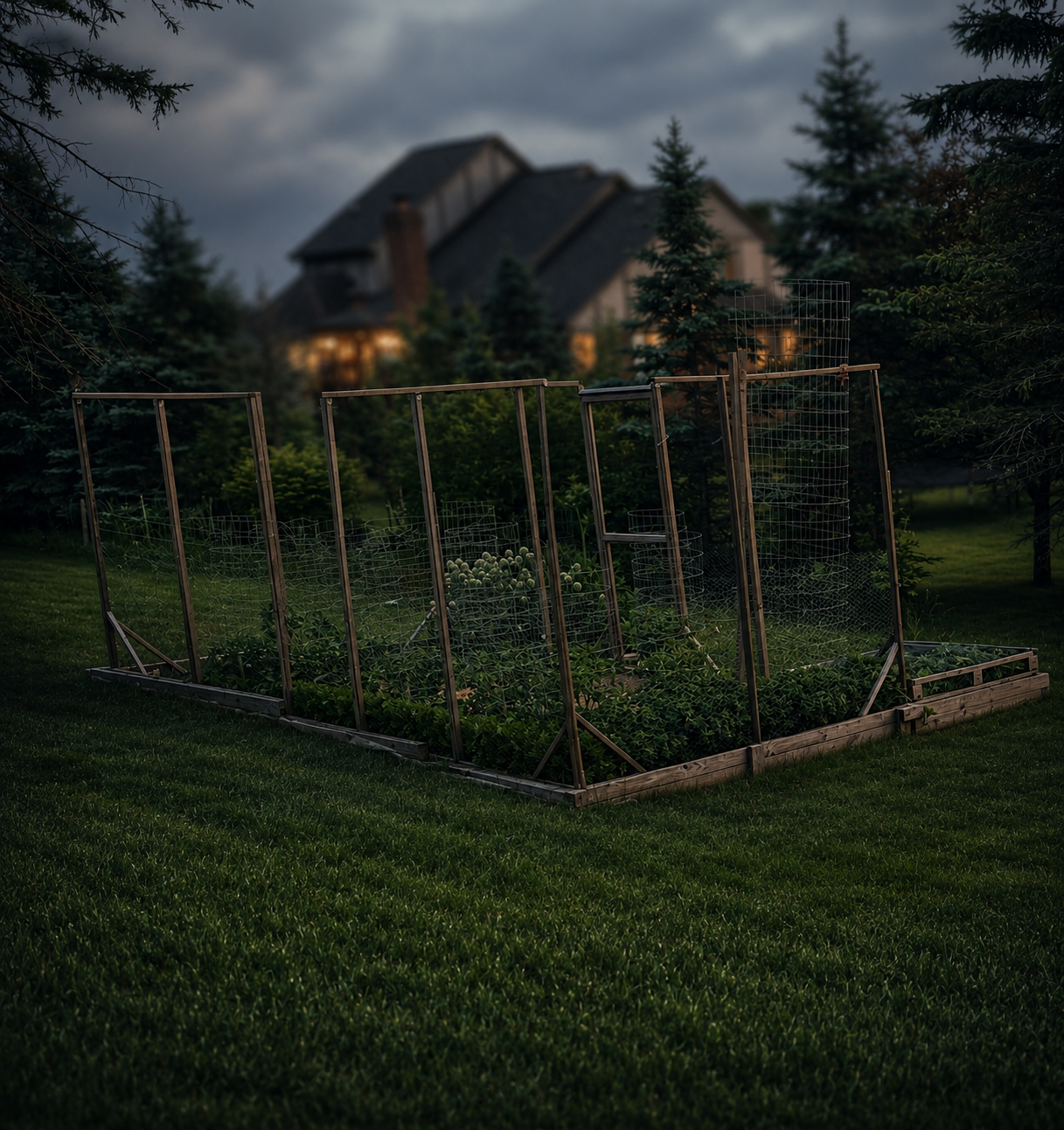
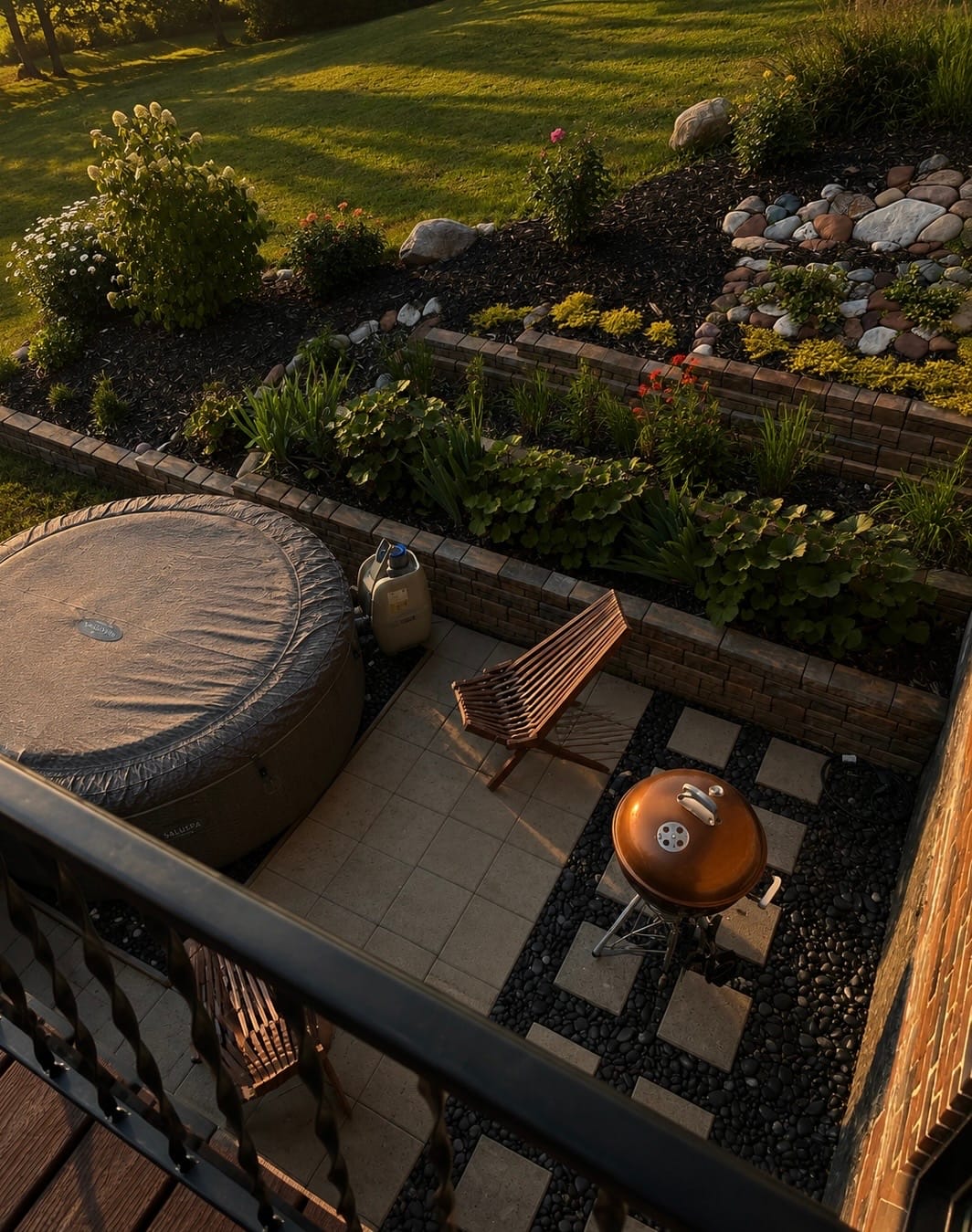
That kind of work doesn’t feel like an obligation. It’s creation. The part I struggle with comes afterward, when the new garden becomes another thing that needs constant attention.
I grew up with a pretty high standard for what a yard should look like. My father is a serious gardener, the kind of guy who’s involved with the American Horticultural Society and can happily spend hours working with plants. Growing up, we had one of the nicest yards on the street. I appreciated it, but I don’t think I fully understood how much that environment shaped my expectations until I became a homeowner myself. Suddenly, maintaining a beautiful property wasn’t something my dad did. It was something I felt compelled to do.
There’s probably a little keeping up with the Joneses in there, too. When you live among well-kept homes and beautiful landscapes, you want your property to contribute to that standard. And yes, there’s some ego involved. I like walking outside, looking around, and thinking, my shit looks good.
However, that standard and maintaining it are two very different things. I enjoy the first. The second is stewardship, the repetitive work required to protect what I’ve already built. I don’t keep doing it because I’ve discovered some hidden love for pulling weeds. I do it because I know how much time and effort went into creating this environment, and I’m not willing to watch that work go to waste.
A Different Kind of Work
This principle extends beyond landscaping. There’s often a difference between creating something worthwhile and doing the less interesting work required to keep it that way. A home, a relationship, a garden, or even your health can benefit from an initial burst of enthusiasm, but none of them can run on that enthusiasm indefinitely.
Someone has to mow the lawn, pull the weeds, fix the loose board, power wash the deck, trim the edges, prune the bushes, and deal with problems while they’re still small. I don’t particularly enjoy any of those things. I’d much rather spend a Saturday creating something new than maintaining something I finished three years ago. Unfortunately, neglect doesn’t care what I’d rather be doing.
The consequences aren’t limited to appearance. If I stop maintaining the yard, I’m gradually undoing years of work that went into building it. The plants I carefully selected become overgrown, the lawn deteriorates, and the space starts losing the character I worked to give it.
The reward is that we get to live in the environment we’ve created. Often we’re not even down in the yard. We’re sitting on the deck with coffee, looking out over it. The girls are running around or playing on the playground. My dad is working in the vegetable garden, which has become a joint family venture and a regular opportunity for us to catch up when he comes over. Sometimes my wife is outside watering, and I’ll wander out to help or just keep her company. During a dry spell, when everything needs extra attention, those ordinary chores can become a chance to talk without much else competing for our attention.
None of those moments is particularly extraordinary, but they’re part of why the yard matters to me. It’s a place we use, admire, and spend time together in. The work contributes to something that extends well beyond the landscaping itself.
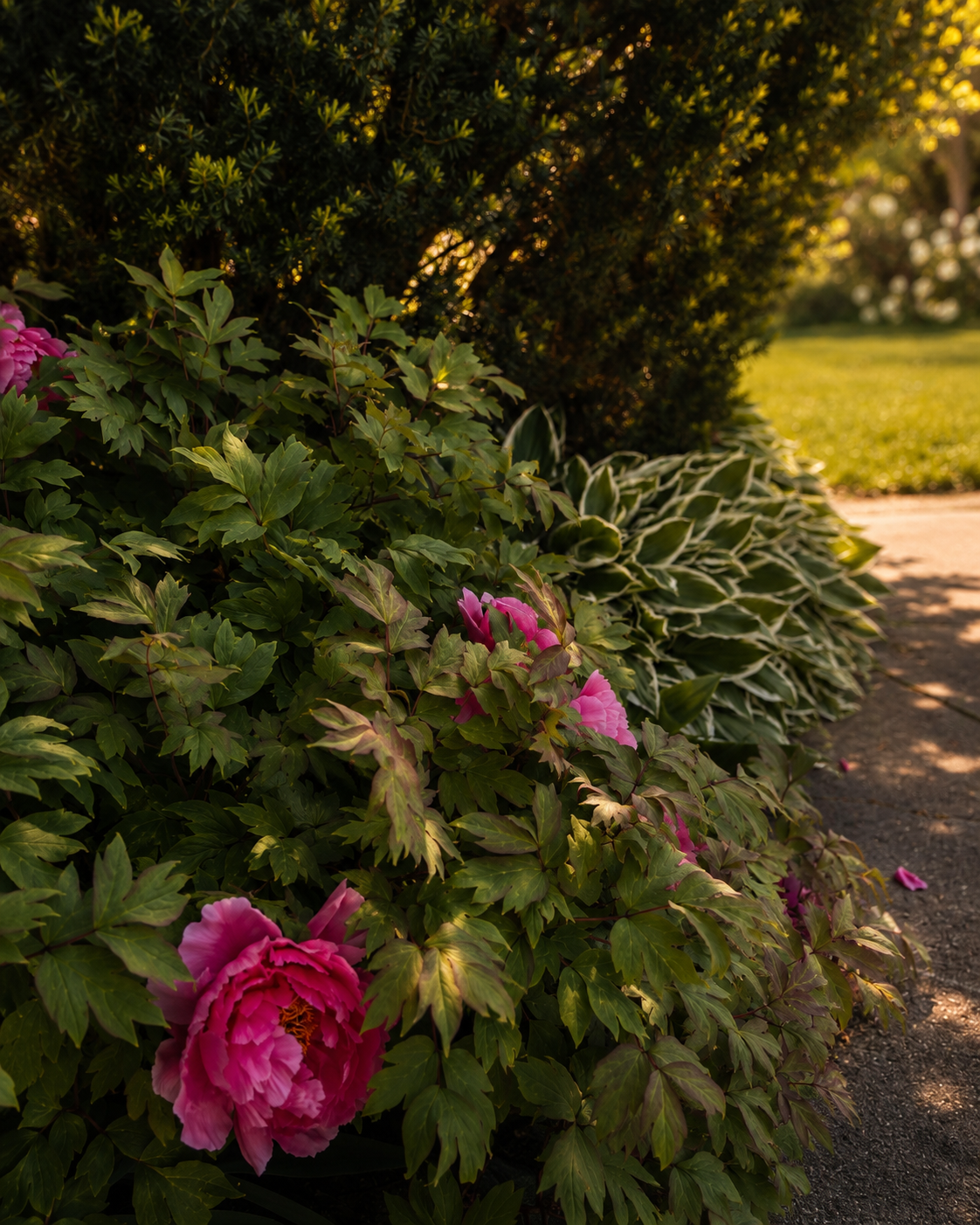
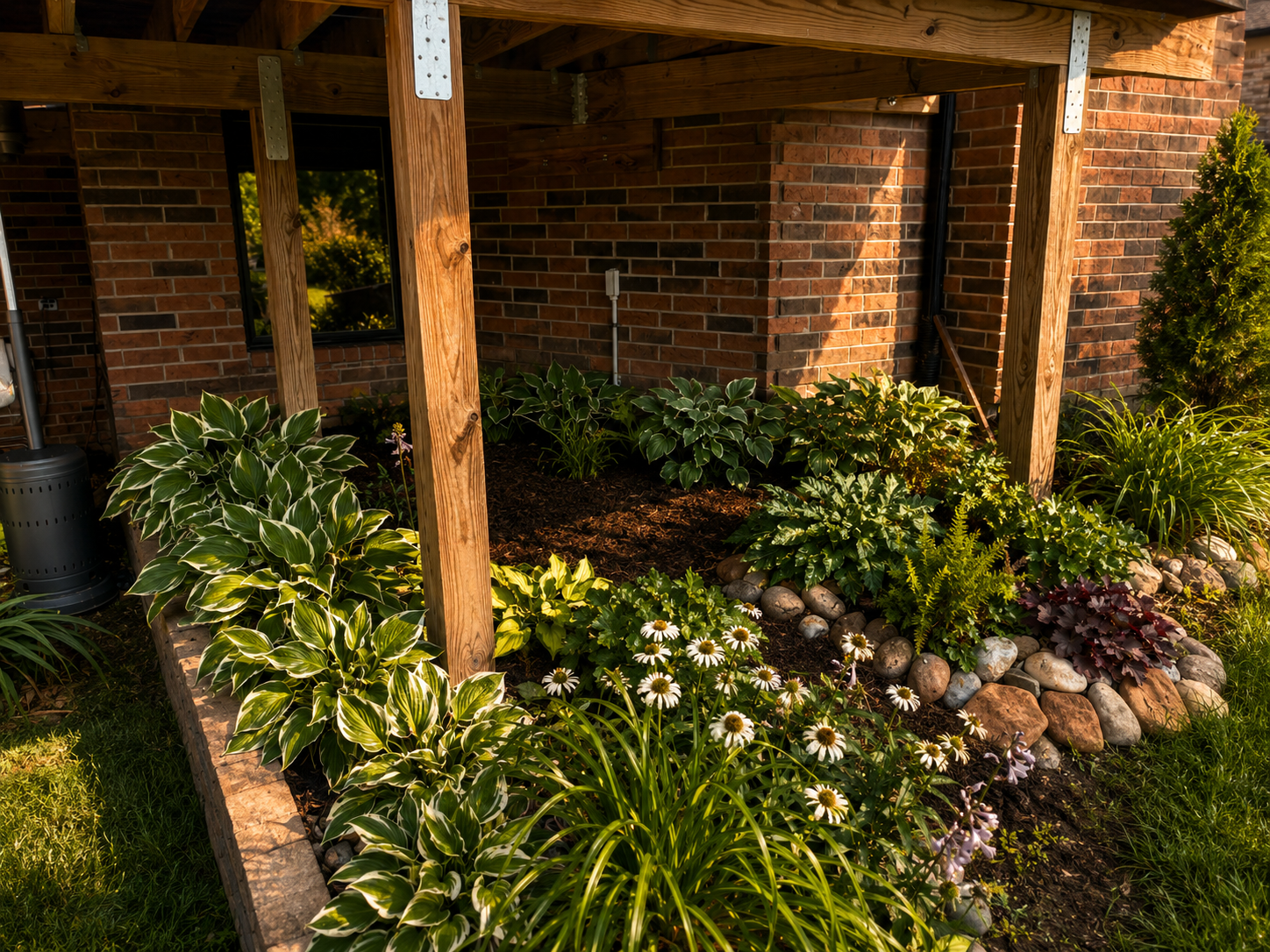
I don’t think everyone needs to care about their yard as much as I do. People have different priorities, and maintaining a property to this standard takes time, money, and energy that could reasonably be spent elsewhere. This is one of the standards I’ve chosen to carry forward. I know what I want our home to feel like, and some of the work required to make that happen simply isn’t going to be very fun.
Letting It Stay What It Is
At the same time, not every part of my yard reflects that standard equally. Some areas are neglected, incomplete, or simply unattractive. The space beneath the deck remains one of the last major unfinished areas. There are still things I’d like to build, problems I’d like to solve, and corners that don’t look anything like what I eventually have in mind.
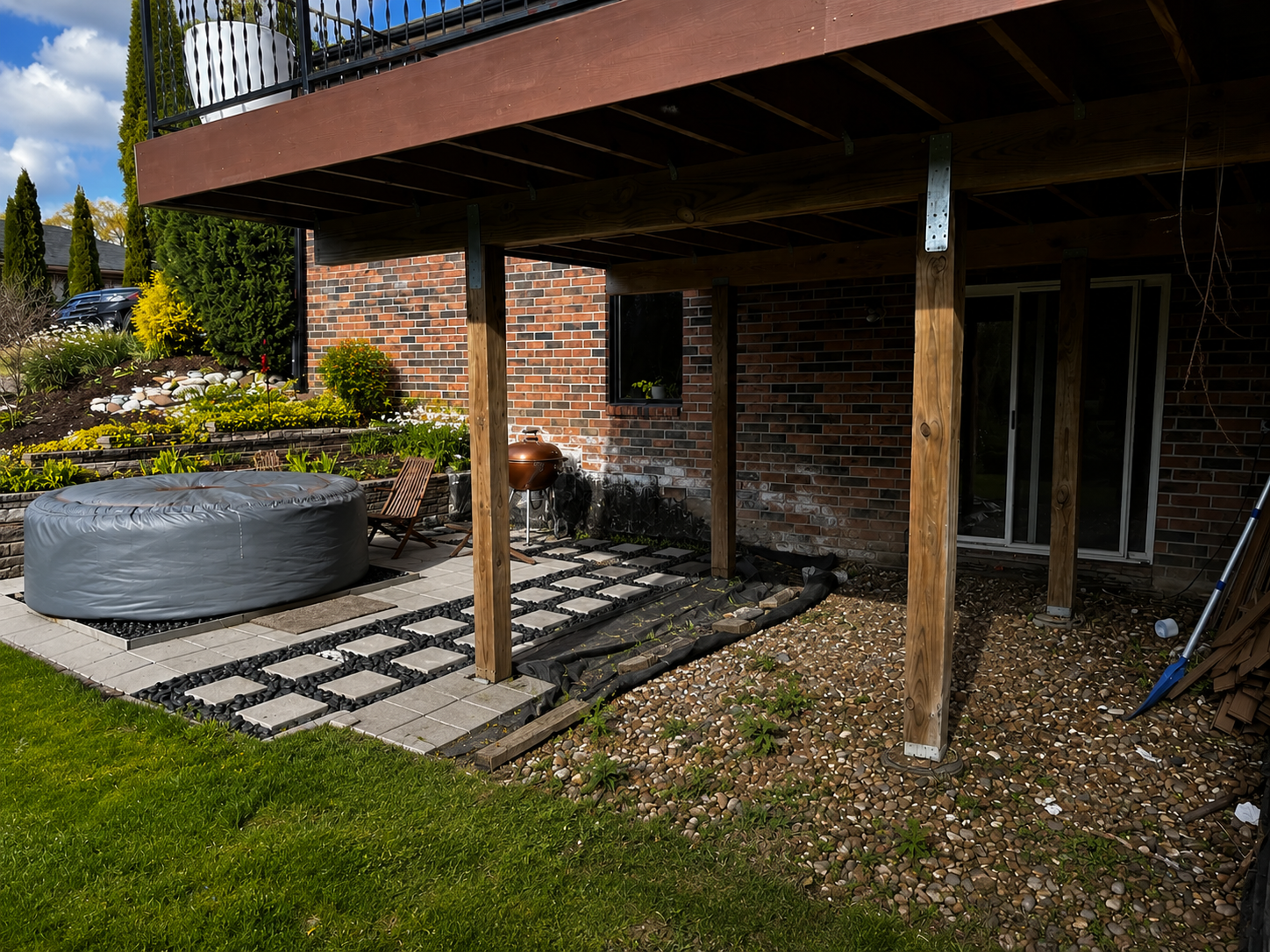
The backyard didn’t become what it is today in one ambitious summer. It developed in phases over many years, usually between spring and fall, as time, money, and energy allowed. Some phases required tearing things apart before anything could improve. When I excavated the backyard, there were entire stretches when parts of it were little more than piles of dirt. It wasn’t pleasant to look at, and naturally I was eager to see the finished result. I knew that was part of the process. If you can’t tolerate the ugly middle of a project, it’s difficult to see a larger vision through.
Each completed phase brought its own version of good enough. I’d finish something, step back, enjoy how much better the yard looked, and live with it for a while. Eventually another idea would take priority, and the process would start again. The standard developed gradually rather than arriving all at once.
That still applies today. I’d love to finish the area beneath the deck, but I also know that the time and money required could go toward something I’d rather pursue right now. Maybe another family vacation, a late-90s Harley-Davidson Sportster I’ve had my eye on, or some completely different project. Those choices don’t mean I’ve abandoned the yard. They mean the yard isn’t the only thing in my life that matters.
I also don’t believe in spending a bunch of money on temporary solutions just to make an unfinished space look complete. If I know what I eventually want, I’d rather wait until I can do it properly. In the meantime, I can live with an area that isn’t especially attractive.
There’s a difference between allowing something to deteriorate through indifference and accepting that a larger project is still underway. I can maintain the parts of the yard I’ve already created while leaving room for the next phase to happen when it makes sense.
That balance matters to me. Standards are worth having, but they shouldn’t become so rigid that they consume every available resource or prevent you from enjoying the life those standards are supposed to support.
What It Actually Adds
I may never come to love the maintenance side of gardening. I’ll probably complain about it every spring, continue treating weeds as my archenemy, and convince myself that this will finally be the year I get ahead of everything. Then the grass will need mowing again, the weeds will return, and some animal will inevitably tear up a section of lawn I just repaired.
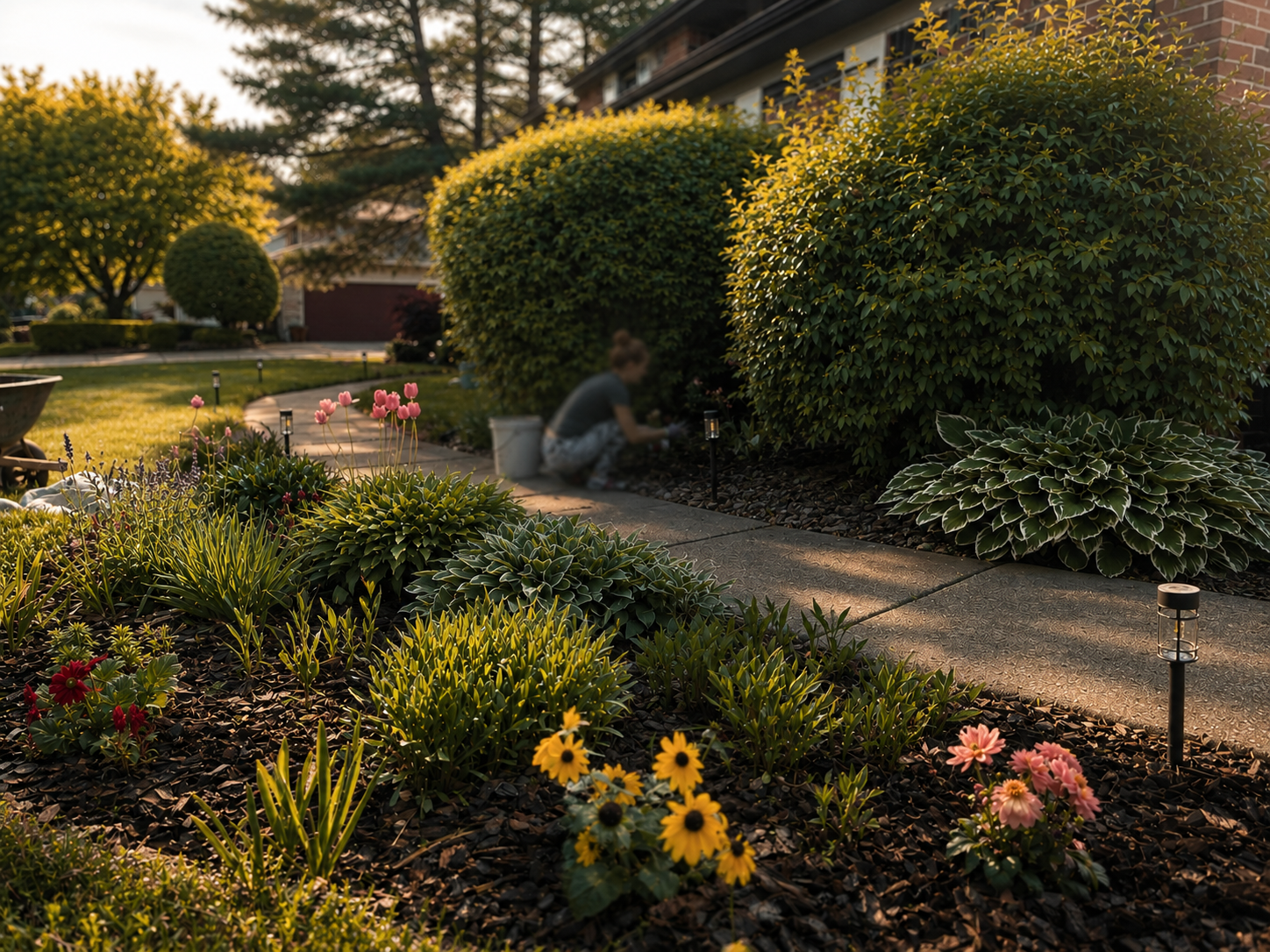
I also know how I’ll feel when the work is finished. I’ll look around the yard, admire what we’ve built, and feel proud of it. That feeling doesn’t make me enjoy pulling weeds any more than I did before. It just reminds me why I bother.
I certainly don’t carry this responsibility alone. My wife genuinely enjoys parts of gardening that I never will, especially watering and tending to the flowers. My dad loves the craft itself. Given the opportunity, he can disappear into the vegetable garden for hours without complaint. I don’t entirely understand how either of them finds so much enjoyment in activities I’d happily avoid, but I’m grateful they do.
Maybe stewardship isn’t only about maintaining everything yourself. It’s also about creating a place that other people want to care for, contribute to, and make their own.
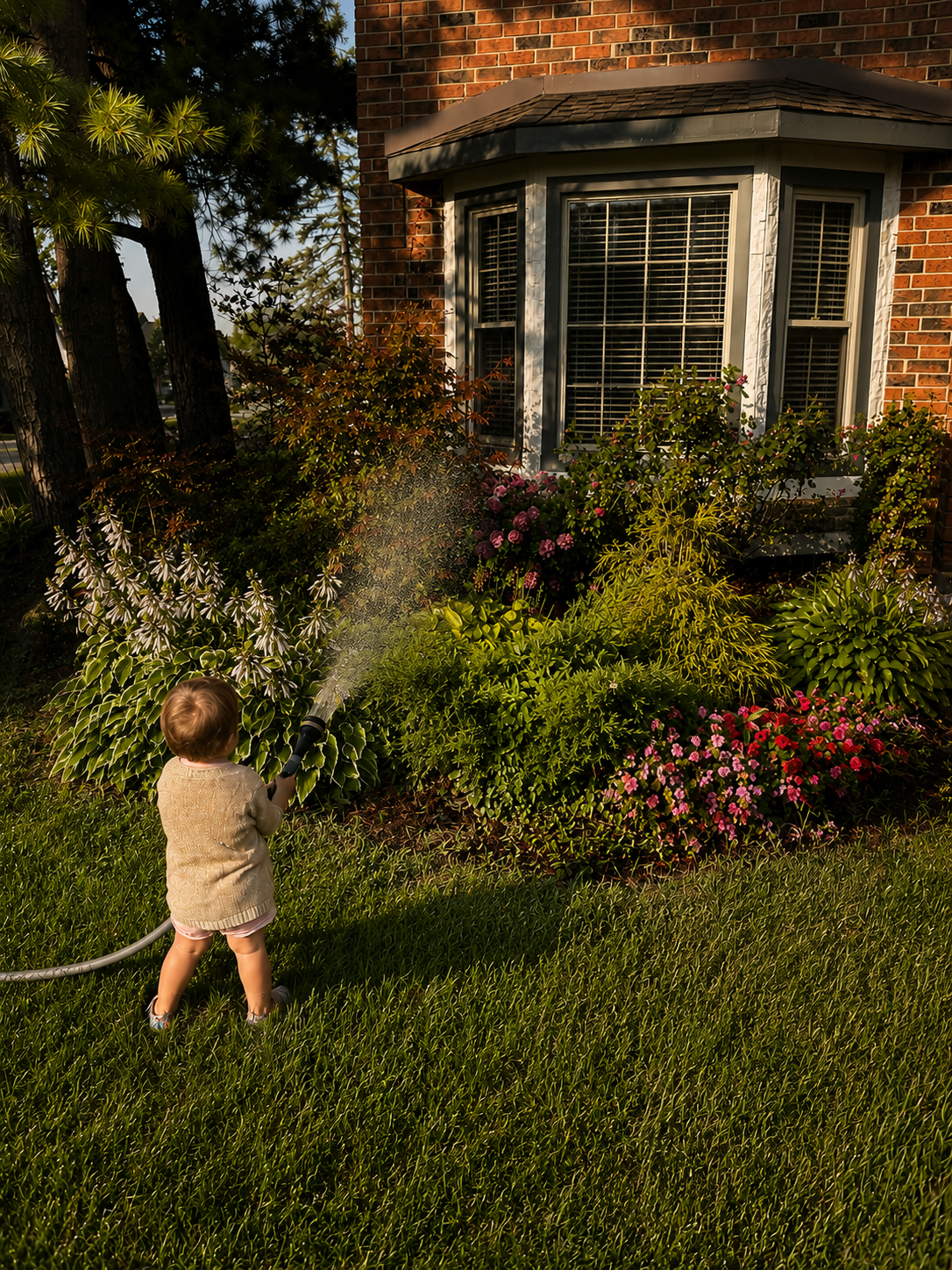
My old man helped establish my idea of what a beautiful yard could be. I’ve spent years building my own version of that standard. The wife brings her own enjoyment and attention to it, and my daughters get to grow up surrounded by the result. In the process, the yard has become something more than a collection of plants and landscaping projects.
It’s part of our home, and part of our family’s everyday life.
I still prefer planting a new tree to trimming an old one, building a terrace to pulling weeds, and imagining the next improvement to maintaining the last. But the maintenance is what allows the creative work to endure.
Some things are worth caring for even when you don’t particularly enjoy the work. After a long day in the yard, the satisfaction of looking around at what you’ve built is enough.
Kaizoku Path isn't about leaving your life behind.
It's about discovering the adventure inside of it.
More Editions, Field Notes, and Project Ledgers can be found at kaizokupath.com.