Reptile People Are a Breed of Their Own
A field guide to obsession, strange animals, habitat building, and what happens when curiosity starts changing the way you see the living world.
Edition X:
A Different Breed
I was watching Monsters of God when somebody said it almost in passing, "Reptile people are a breed of their own".
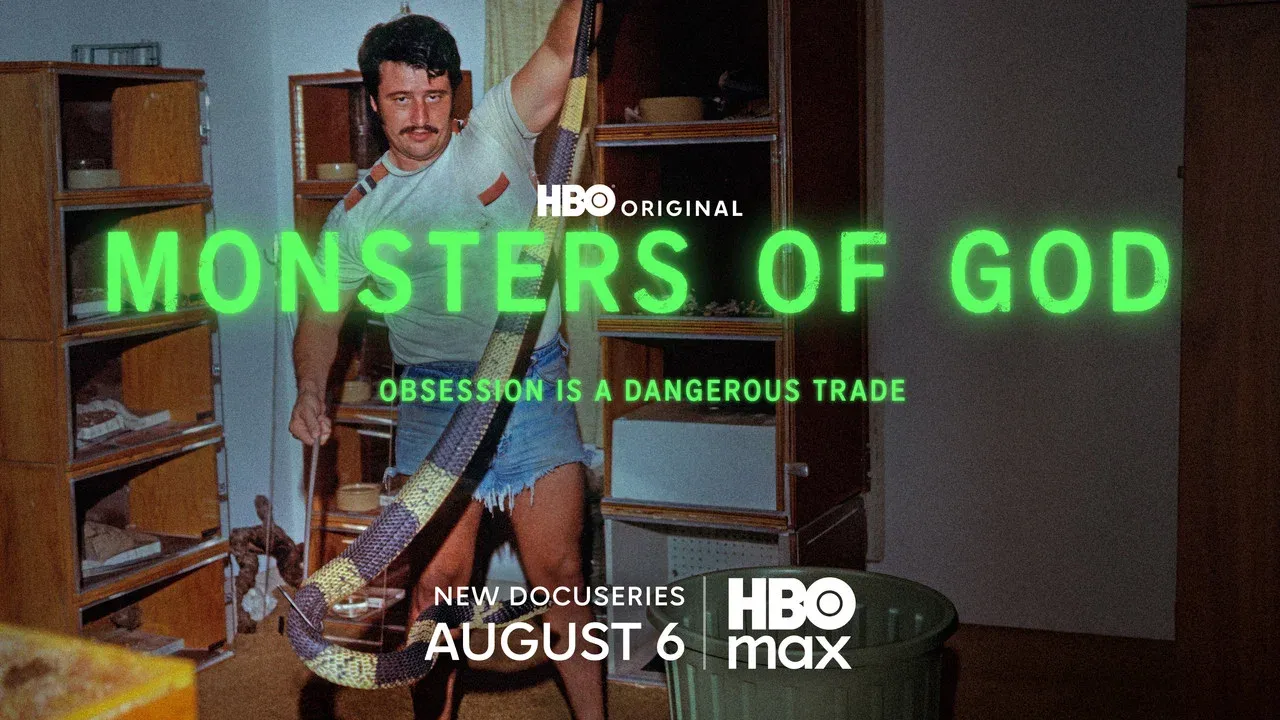
The line stuck because by that point I had already started to suspect I was becoming one.
There was no formal conversion. No moment where I decided reptiles were going to become part of my identity. It happened the way most of my interests seem to happen. One thing led to another, which led to another, until suddenly I knew considerably more about UVB lighting, basking temperatures, substrate mixes, feeder insects, humidity gradients and obscure lizard species than I had any practical reason to know.
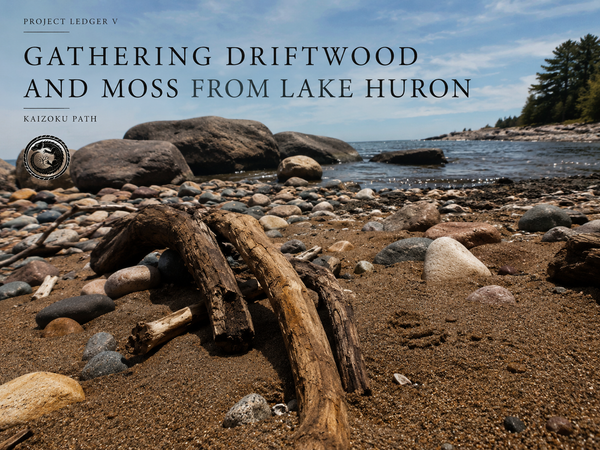
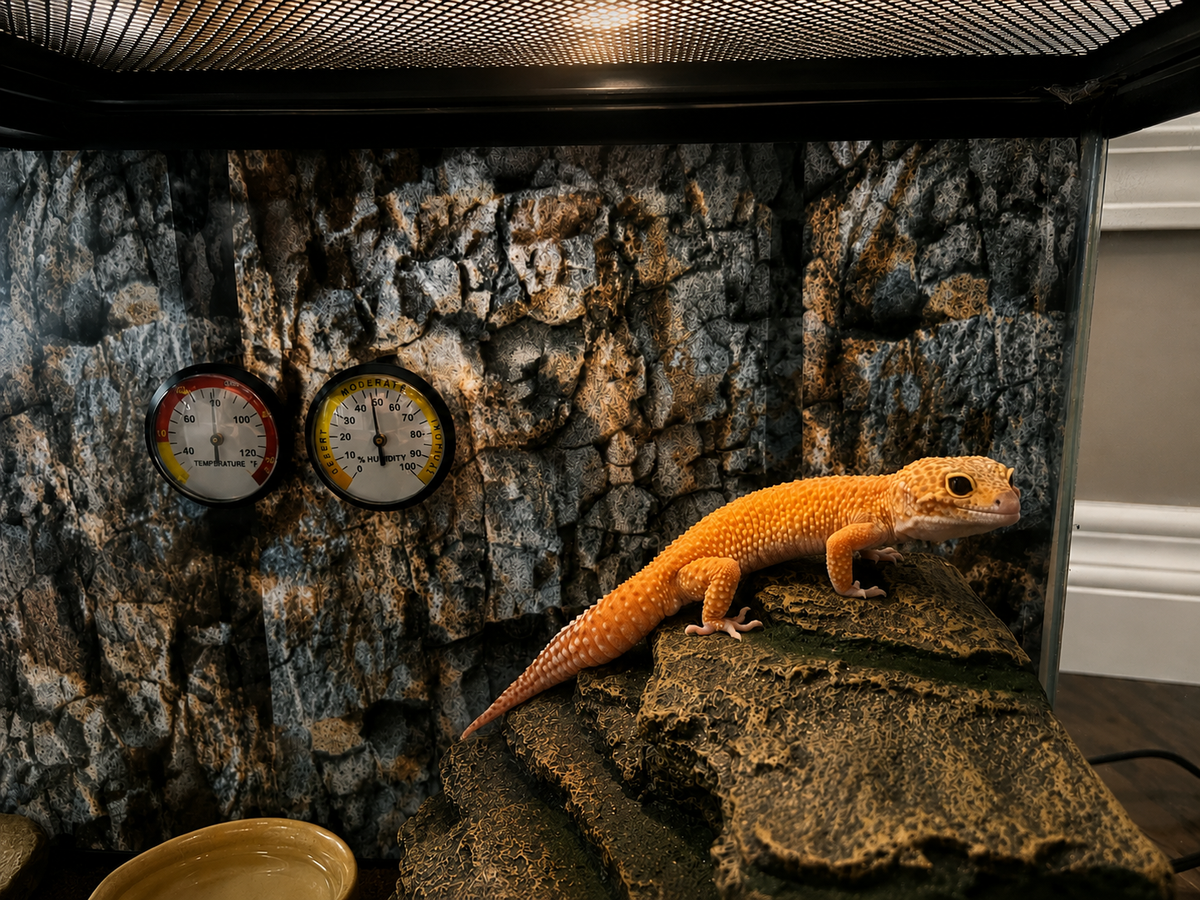
A leopard gecko turned into research on blue-tongued skinks. That turned into gargoyle geckos, salamanders, newts, bioactive enclosures, lighting systems and increasingly elaborate ideas about what a reptile room could become. I started looking at driftwood differently (see Gathering Driftwood and Moss from Lake Huron). Moss became something worth propagating. A fallen branch became potential structure. A pile of leaves became habitat.
Visits to the local private reptile zoo became more frequent (see Inside the Reptarium and What it Inspired). Then I found myself looking at captive bread chuckwallas on Morph Market and wondering whether one would look good in a dry desert enclosure.
At some point you have to admit what is happening. I am becoming a reptile person.
The Reptile People
Spend enough time around the reptile world and you begin noticing that the animals are only half the attraction.
The people are fascinating.
Walk through a reptile expo and you enter a parallel culture most of the population barely knows exists. There are snakes in plastic tubs, geckos the size of your thumb, giant monitors, dart frogs, tortoises, isopods, feeder insects and animals with names that sound like they were pulled from a Victorian naturalist’s journal.
Then there are the conversations.
Two people will stand beside a folding table discussing bloodlines, localities, incubation temperatures and obscure color mutations with the seriousness of scientists reviewing a research paper. Somewhere nearby is a ten-year-old who can identify twenty species of gecko on sight. Another person has spent fifteen years breeding a single species most people have never heard of.
Every hobby has its characters, but reptile culture seems unusually good at producing magnificent weirdos; I mean that affectionately. There is something deeply appealing about meeting someone who knows an unreasonable amount about an unreasonable subject.
The Animals Nobody Asked You to Love
Reptiles occupy an unusual place in the human imagination. People understand dogs. Dogs meet us halfway. They are expressive, social and shaped by thousands of years of living alongside humans. Reptiles require a little more effort.
A snake does not need to convince you that it loves you. A lizard might spend forty-five minutes sitting under a lamp without providing anything resembling entertainment. A salamander can disappear beneath a piece of bark for most of the afternoon. Some people look at that and see nothing.
Reptile people lean closer.
They notice the structure of a gecko’s feet. The armor on a spiny-tailed iguana. The absurd proportions of a blue-tongued skink. The way a salamander appears almost impossibly delicate for something that has survived millions of years of evolutionary change.
There is something useful about learning to become interested in animals that were never designed to appeal to us. It requires curiosity before affection. You have to investigate before deciding whether something deserves your attention.
That is a habit worth carrying beyond reptiles.
One Animal Becomes an Entire World
This is the part of reptile keeping that surprised me most. You think you are researching an animal, but very quickly, you are researching a place.
Where does it live?
How hot does the ground become during the day? How much does the temperature fall at night? What grows there? What does the soil contain? When does it rain? What insects appear during different seasons? Does the animal climb, burrow, bask, hide or spend most of its life wedged inside a crack in a rock? The deeper you go, the less the enclosure feels like a container.
You are building a small world.
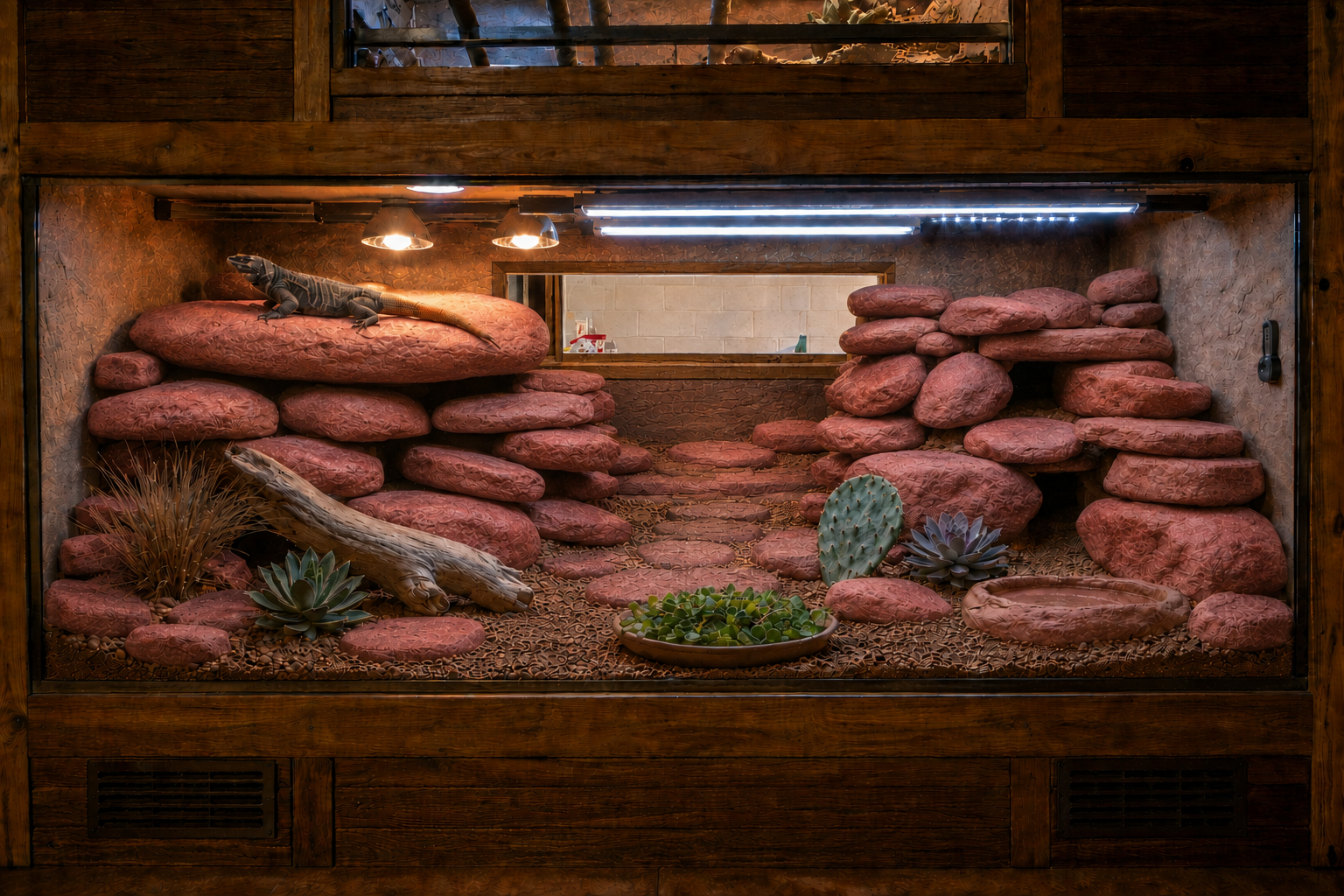
A bioactive reptile enclosure brings together light, heat, plants, soil, fungi, bacteria, insects and the animal itself. Springtails break down waste. Isopods move through the substrate. Plants change humidity. Wood provides structure. Light drives the entire system.
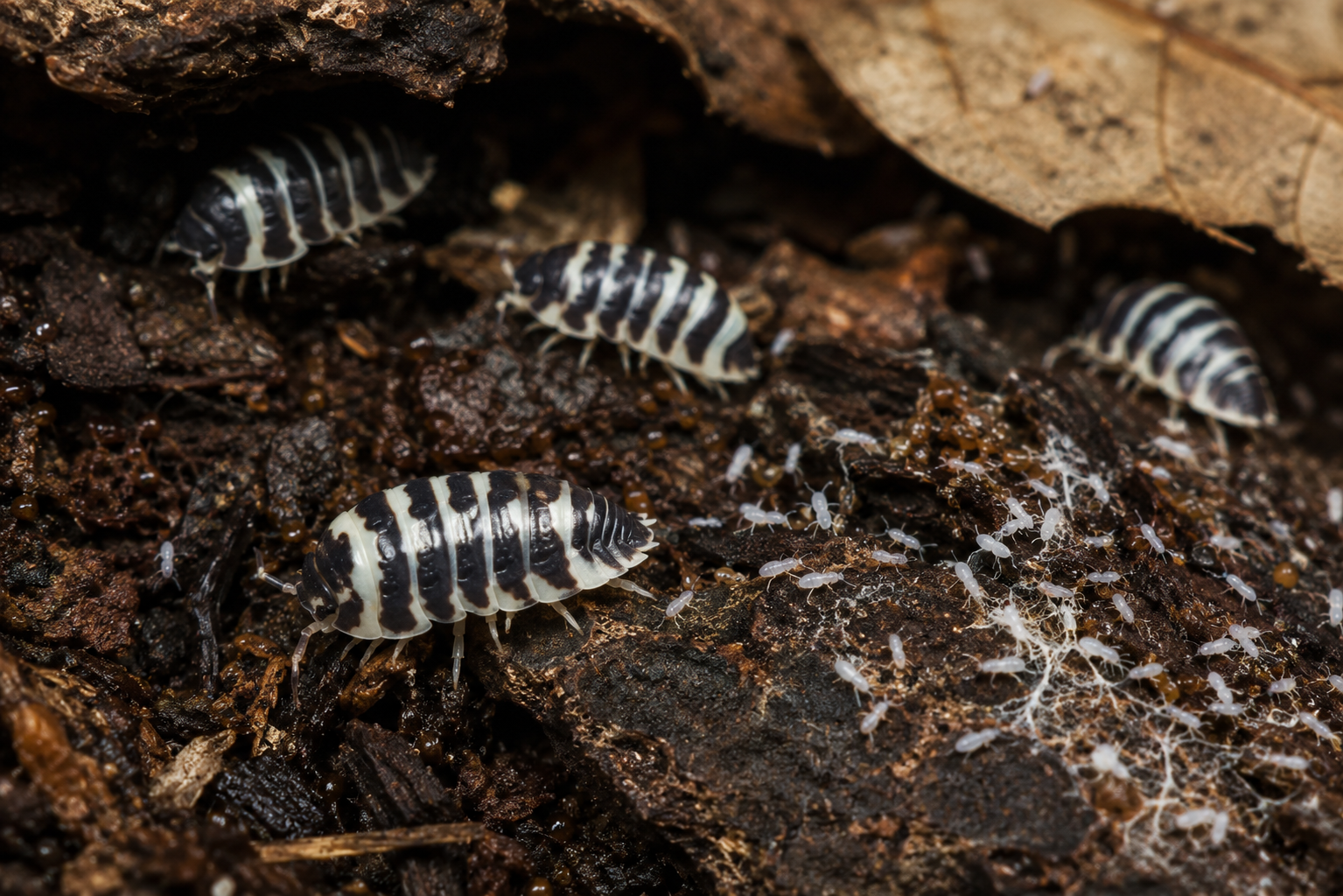
Eventually you start thinking less like someone decorating a tank and more like someone trying to understand an ecosystem.
That shift interests me far more than simply collecting animals.
I have a chemistry background and spend much of my professional life thinking about systems, variables and what happens when one part of a process changes. Reptile keeping scratches a similar itch from a completely different direction. You build something, observe it, make adjustments and watch how a living system responds.
The lizard just happens to be considerably more charismatic than an industrial process.
Reptiles Teach You to Notice Things
One of the things I did not expect from reptiles was how quickly they would change the way I look at the world. Once you start learning habitats, ordinary places stop feeling ordinary. A rotting log or a patch of moss becomes interesting. You start noticing temperature, moisture, shade, soil and all the small environmental variables that determine what might be living nearby.
This has already started happening to me. Driftwood collected along Lake Huron became material for future habitats. Moss discovered during a walk became a propagation experiment. Frogs near the water turned into something worth stopping for. Nothing in the landscape changed.
My attention changed.
That might be one of the best things a deep interest can do to a person. It provides another layer through which to experience a place. Walk through the woods with someone who understands reptiles and amphibians and you are no longer walking through generic nature. You are walking through potential habitat. Every overturned log becomes a question. Every sunny rock becomes a possibility. Every shallow creek feels inhabited by things you simply have not seen yet.
There is something refreshing about the fact that reptiles reward this kind of attention while demanding very little excitement in return. A reptile can spend an entire afternoon doing almost nothing. A snake remains hidden. A gecko sits motionless. A lizard basks beneath a lamp. In a culture obsessed with stimulation, there is something quietly radical about observing an animal that has no interest in entertaining you.
To enjoy reptiles, you eventually have to slow down enough to meet them on their terms. You learn patience because there is no alternative. Over time, that patience starts leaking into the rest of life. The same curiosity that makes you wonder what lives beneath a log is the curiosity that made you collect bugs as a child, build forts in the woods and spend entire afternoons asking how things worked. The equipment is more sophisticated now and the lighting is considerably more expensive, but the underlying impulse feels identical.
I had a place like that when I was a kid beneath a large spruce tree in my backyard that I called "the science lab". I collected things from outside, experimented, watched insects and spent time alone thinking about whatever had captured my attention that week. Years later, I am building another version of it in a basement (see Building the Basement Incubator at Home).
Apparently some interests do not disappear.
They wait.
Curiosity, Ownership, and Responsibility
There is one important difference between reptiles and many of the other interests that pass through my life: living things cannot be placed on a shelf when the novelty wears off.
I can stop drawing for six months. I can leave project untouched in the basement or garage. I can get halfway through a book and finish it next year. An animal still needs food tomorrow. The enclosure still needs maintenance. The lighting still needs to work. The temperature still needs to be right.
That changes the relationship between curiosity and responsibility.
I have written before about how interests tend to arrive in waves. They show up intensely, sometimes disappear and occasionally return years later. Reptiles place a useful constraint on that pattern. Once another living thing becomes involved, fascination has to mature into stewardship. That word sounds more noble than I mean it to, but the practical version is straightforward.
You wanted the animal. Now take care of it.
What makes the reptile world interesting is that the same curiosity that produces excellent keepers can also produce some of its worst tendencies. Monsters of God spends time exploring that tension. An interest in unusual animals can gradually become a desire to acquire unusual animals. Rare species become status. Collecting becomes competition. Eventually the pursuit shifts away from understanding and toward possession.
I can understand the impulse without endorsing where it leads. In fact, I recognize a small version of it already. Whenever I encounter an animal I have never seen before, my first reaction is to learn everything I can about it. The second reaction often arrives immediately afterward.
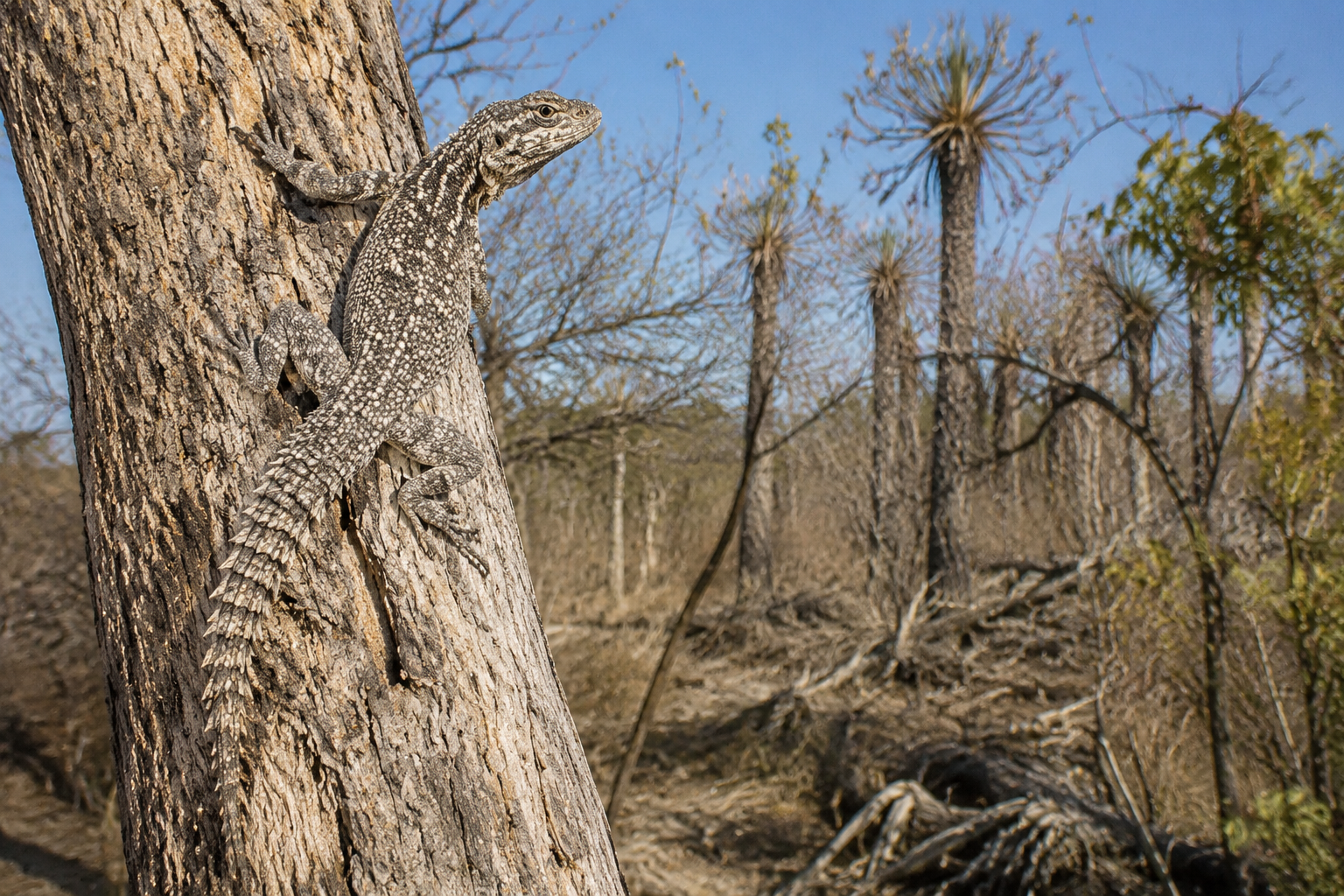
Could I keep one?
There is nothing inherently wrong with that question. It is probably responsible for a large portion of the reptile hobby. It is simply a question worth examining honestly. There is a meaningful difference between wanting to understand an animal and feeling compelled to own it, and the healthiest version of the hobby seems to live somewhere in that gap.
A good enclosure should be evidence of curiosity, not acquisition. It should reflect how much you learned about the animal rather than how many animals you managed to accumulate. The more I learn about reptiles, the more that distinction feels important. Curiosity is valuable. Ownership is sometimes necessary. But understanding should remain the goal.
Why You Should Become a Reptile Person
Please don’t buy a reptile because an essay made reptile keeping sound interesting.
Become a reptile person in the broader sense.
Find something strange enough that you want to understand it. Learn the Latin name. Turn over the rock. Read the obscure book. Talk to the person who has spent thirty years studying something you knew nothing about yesterday. Build something. Observe what happens. Pay attention long enough for the world to become more detailed.
Reptile people seem particularly good at allowing curiosity to become slightly unreasonable. They build entire rooms around animals most people would walk past. They recreate tiny climates inside glass boxes. They know which species lives on which island and how the rainfall changes there throughout the year.
There is a kind of freedom in caring that much about something without needing everybody else to understand why.
Part of what makes Monsters of God interesting is that it is not a simple celebration of this world. Reptile collecting has a dark side. The series is, in large part, about smuggling, obsession, and the ways fascination can become exploitation. Curiosity alone does not make someone a good steward. Sometimes it leads people in exactly the wrong direction.
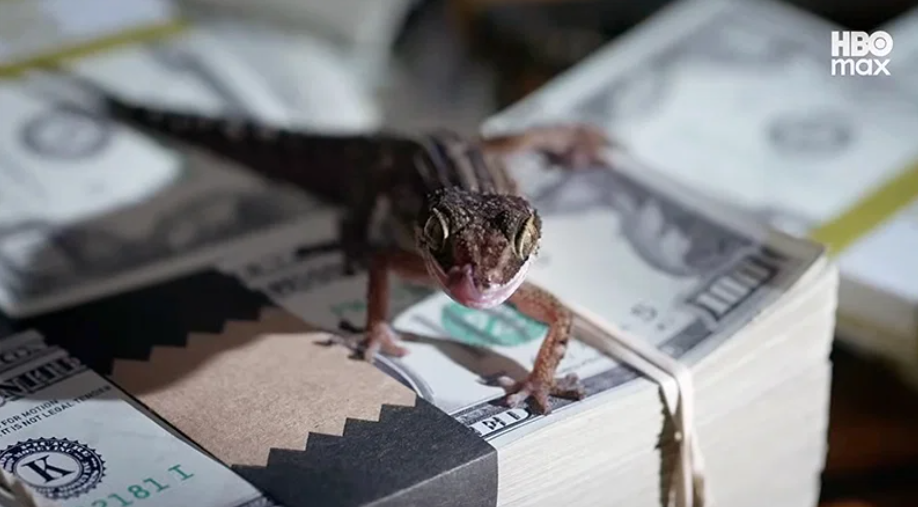
But that darker story is also why I find it refreshing that reptiles are finally at the center of the conversation. Reptiles rarely get this kind of attention. Wildlife stories usually revolve around the same charismatic mammals, while reptiles are reduced to props, villains, or background scenery. Seeing a major series take reptiles seriously, even while examining the problems surrounding them, feels surprisingly rare.
What interests me most is not the crime or the controversy. It is the underlying impulse that drives people to care so deeply about something that most of the world overlooks. Reptile people often take that impulse farther than anyone else. At their best, they remind us that the world becomes more interesting the longer we are willing to pay attention.
You do not need reptiles to become that kind of person.
You just need something capable of making you look closer.
Maybe everyone should be a reptile person about something.